
For rice farmers, the post-harvest process is as critical as planting and growing-yet it's often where costly inefficiencies and quality issues take root. A high-quality paddy separator, designed to split unhulled paddy from milled rice grains, is not just a piece of equipment; it's a solution to some of the industry's most persistent headaches. Below are the core problems it addresses for farmers aiming to boost yield, quality, and profits.
1. Eliminates Mixed Grains and Reduces Quality Wastage
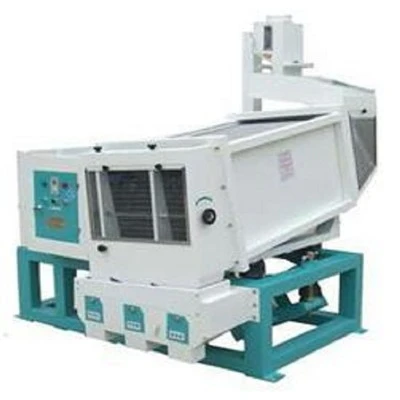
The biggest pain point for small and large-scale farmers alike is separating unhulled paddy from brown or white rice after milling. Manual sorting is slow, inconsistent, and prone to error, leaving mixed grains that fail market quality standards. Low-grade separators, meanwhile, often damage kernels or miss a high percentage of paddy, forcing farmers to sell batches at discounted rates or discard usable rice. A premium paddy separator uses precision sieving and air-blowing technology to separate grains by size, weight, and density. It ensures 99% purity of milled rice, cuts quality-related losses by up to 30%, and helps farmers meet strict buyer specifications.

2. Cuts Labor Costs and Boosts Operational Efficiency
Labor shortages are a global challenge for agriculture, and manual paddy sorting is labor-intensive, requiring hours of work per ton of rice. For smallholder farmers, this means diverting time from other critical tasks like field maintenance or crop rotation. For large farms, it translates to higher payroll expenses that eat into margins. A high-quality paddy separator automates the sorting process, handling up to 5 tons of rice per hour with minimal supervision. It reduces labor needs by 70% compared to manual sorting, allowing farmers to reallocate resources to revenue-generating activities.
3. Minimizes Kernel Damage and Preserves Market Value
Rice kernels are fragile, and rough handling during sorting can cause cracks or breakage. Damaged kernels are considered lower grade and fetch lower prices in both local and export markets. Cheap separators use rigid components that grind or crush grains, worsening this problem. A top-tier paddy separator features soft-touch materials and adjustable speed settings to protect kernel integrity. It preserves the shape and texture of milled rice, ensuring that farmers can sell the maximum amount of their crop at premium prices-especially crucial for export-focused operations targeting high-value markets in Europe, Asia, and the Middle East.
A high-quality paddy separator is an investment that pays off in reduced losses, lower labor costs, and higher-quality rice. For farmers looking to stay competitive in a crowded market, it's not just a tool-it's a way to turn post-harvest challenges into opportunities for growth.