

Hey there! As an elevator supplier, I often get asked how elevators manage to keep the air fresh and circulating properly. It's a crucial aspect, especially considering people spend a fair amount of time in these confined spaces. So, let's dive into how elevators maintain air circulation.
The Basics of Elevator Air Circulation
First off, you gotta understand the importance of air circulation in elevators. Stagnant air can lead to a bunch of problems, like stuffy odors, high humidity levels, and even the spread of germs. That's why proper air circulation is a must.
Most modern elevators are equipped with ventilation systems. These systems work kind of like the ones in your home, but on a much smaller and more specialized scale. The main goal is to bring in fresh air from outside and exhaust stale air from inside the elevator car.
Ventilation Systems in Elevators
There are two main types of ventilation systems commonly used in elevators: natural and mechanical.
Natural Ventilation
Natural ventilation is pretty straightforward. It relies on the natural movement of air due to differences in temperature and pressure. In some elevator designs, there are small vents or openings at the top and bottom of the elevator car. When the elevator moves, the air flows through these vents. Warm air rises and escapes through the top vents, while cooler air enters through the bottom vents. It's a simple and energy - efficient way to get some air moving.
However, natural ventilation has its limitations. It depends on external conditions like wind speed and temperature. If it's a calm day or the external temperature is similar to the inside of the elevator, the air circulation might not be sufficient. That's where mechanical ventilation comes in.
Mechanical Ventilation
Mechanical ventilation systems use fans to actively move air in and out of the elevator car. These fans are usually installed in the ceiling or ventilation ducts of the elevator.
The fans pull in fresh air from outside through intake vents. This fresh air is then filtered to remove dust, pollen, and other contaminants before being circulated inside the elevator. At the same time, the fans push out the stale air through exhaust vents. Some advanced systems also have sensors that can detect the quality of the air inside the elevator. If the air quality drops below a certain level, the ventilation system can increase the airflow to compensate.
Air Filtration
Another important part of maintaining good air circulation in elevators is air filtration. Elevators are used by many people, and they can carry all sorts of particles and germs. That's why a proper filtration system is essential.
Filter systems in elevators typically use high - efficiency particulate air (HEPA) filters. These filters are great at capturing tiny particles, like dust, smoke, and even some bacteria. By filtering the air, the ventilation system can ensure that the air inside the elevator is clean and healthy to breathe.
The filters need to be replaced regularly. The frequency depends on factors like the usage of the elevator and the environment it's in. For example, an elevator in a busy commercial building might need more frequent filter changes than one in a residential building.
Airflow Design
The design of the airflow inside the elevator car is also crucial. Engineers have to make sure that the air is evenly distributed throughout the car. Uneven airflow can lead to areas with poor air quality.
To achieve this, the ventilation ducts are designed in a way that directs the air to all corners of the elevator. The placement of the intake and exhaust vents is carefully planned. Some elevators also use diffusers to spread the air more evenly. These diffusers break up the airflow into smaller streams, which helps in better distribution.
Our Elevator Offerings
At our company, we take air circulation very seriously in our elevator designs. Whether you're looking for a small elevator for a residential building or a large - capacity one for a commercial skyscraper, we've got you covered.
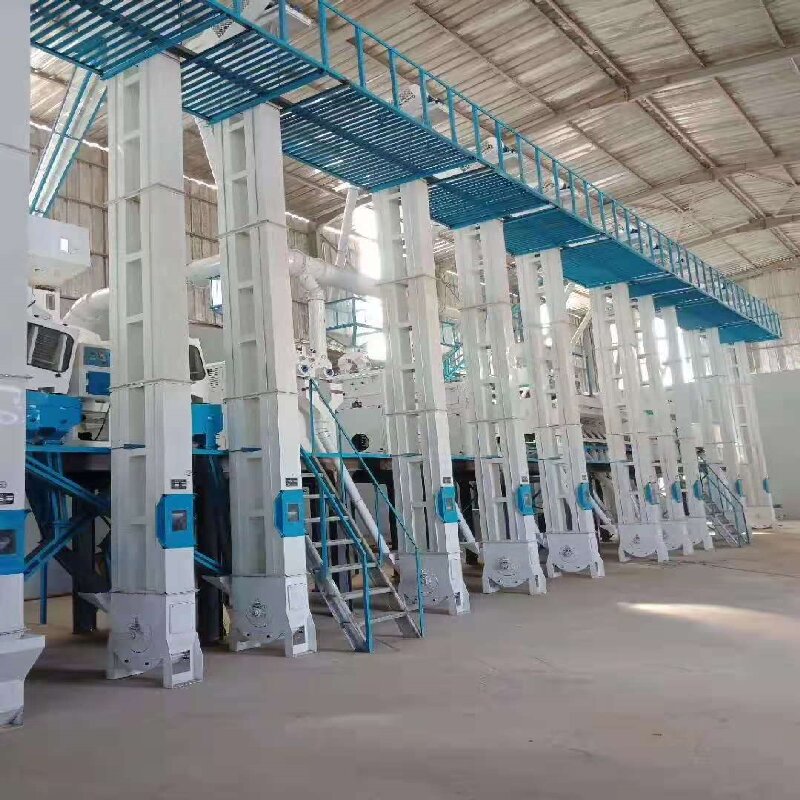
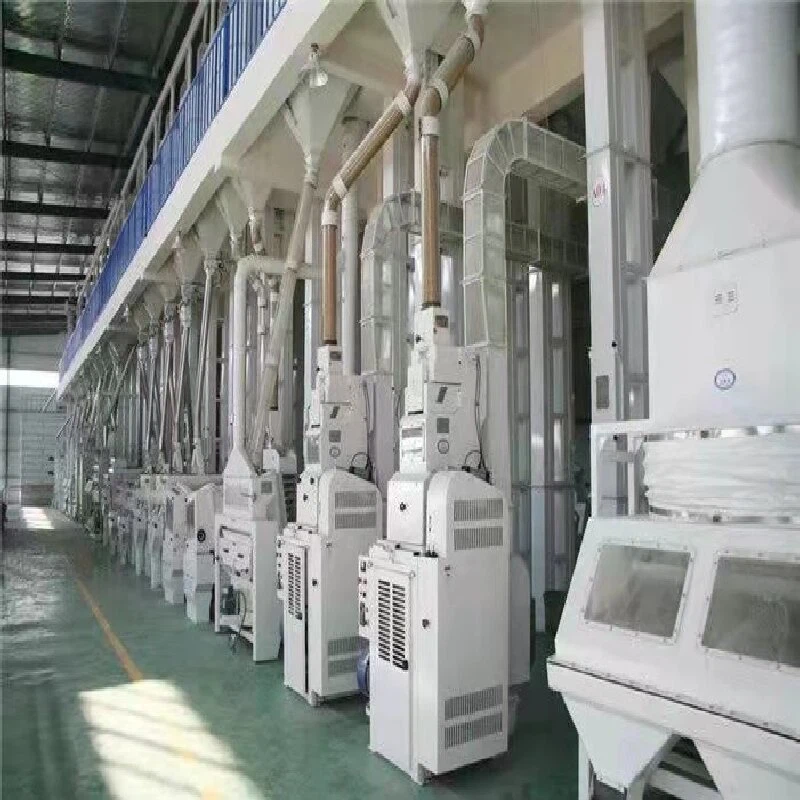
We offer a wide range of products. For those needing high - capacity elevators, check out our 10 Tons Bucket Elevators. These are built to handle heavy loads and are equipped with top - notch ventilation systems.
If you're in the market for a more standard option, our Bucket Elevators are a great choice. They offer a good balance of capacity and performance, with excellent air circulation features.
And for smaller applications, like low - rise buildings, our 2 Tons Bucket Elevators are perfect. They're compact but still provide efficient air circulation.
Why Choose Us?
We're not just about selling elevators. We're committed to providing the best solutions for our customers. Our elevators are designed with the latest technology to ensure optimal air circulation. We use high - quality materials and components in our ventilation systems, which means they're reliable and long - lasting.
Our team of experts can also provide customized solutions based on your specific needs. Whether it's a unique building layout or special air quality requirements, we can work with you to design the perfect elevator.
Contact Us for Procurement
If you're interested in purchasing an elevator and want to learn more about our air circulation features and products, don't hesitate to reach out. We're here to answer all your questions and guide you through the procurement process. Whether you're an architect, a building owner, or a contractor, we can work together to find the best elevator solution for your project.
References
- ASHRAE Handbook - HVAC Systems and Equipment.
- Elevator Industry Standards and Guidelines.