

Hey there! As a supplier of horizontal rice mills, I often get asked about how these machines separate the bran from the rice. It's a fascinating process that combines science and engineering to bring you that perfectly polished grain on your dinner table. So, let's dive right in and explore this in detail.
The Basics of Rice and Bran
First off, let's understand what we're dealing with. Rice is a staple food for a large part of the world's population. When it's freshly harvested, it comes in a form called paddy rice, which has an outer husk and an inner layer of bran covering the white rice kernel. The bran is rich in nutrients like vitamins, minerals, and fiber, but it also gives the rice a rough texture and a shorter shelf - life. So, separating the bran is an important step in rice processing.
How the Horizontal Rice Mill Works
A horizontal rice mill is designed to perform several functions in the rice - processing journey. The main goal is to remove the bran layer without damaging the rice kernel. Here's a step - by - step breakdown of the process.
Intake and Initial Cleaning
The first step is to feed the paddy rice into the horizontal rice mill. Before the actual bran - separation process begins, the rice goes through an initial cleaning stage. This is crucial because any foreign materials like stones, dust, or chaff can damage the milling equipment or affect the quality of the final product. The mill uses a combination of sieves and air suction to remove these impurities.
Dehulling
Once the rice is clean, it moves on to the dehulling stage. In a horizontal rice mill, this is typically done using rubber rollers. The rubber rollers rotate at different speeds, and as the paddy rice passes between them, the husk is cracked and removed. The husk is then separated from the brown rice (rice with the bran layer still intact) using air currents. The lighter husk is carried away by the air, while the heavier brown rice falls down to the next stage of the process.
Bran Removal
This is the most critical part of the process. There are different methods used in horizontal rice mills to remove the bran from the brown rice.
Friction - Based Milling
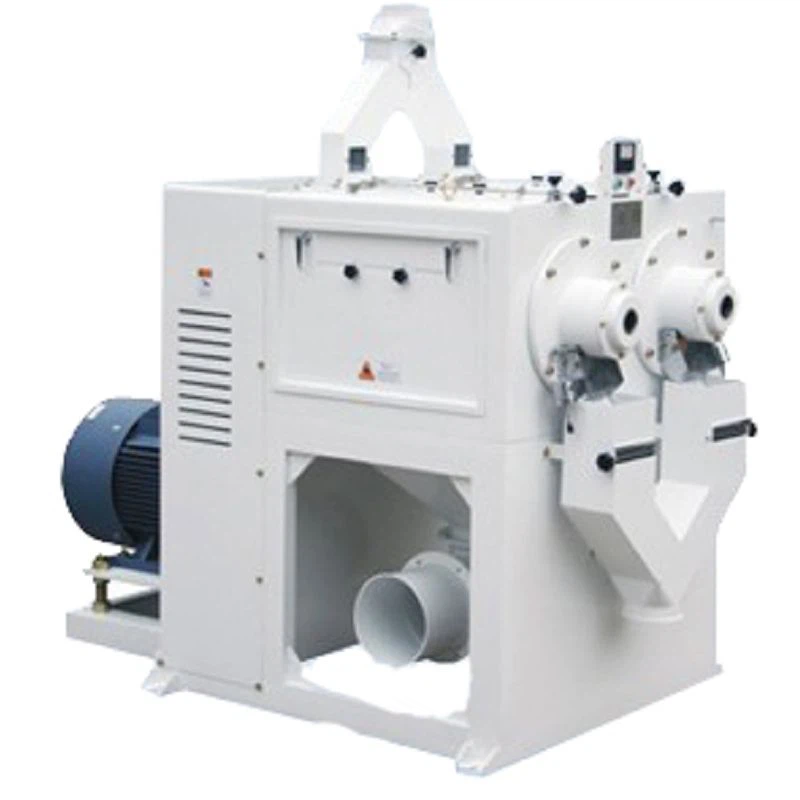
One common method is friction - based milling. In this process, the brown rice is forced against a rough surface inside the mill. As the rice rubs against the surface, the bran layer is scraped off. The rough surface can be made of materials like emery or sand. For example, the Horizontal Sand Roller Rice Machine uses a sand - covered roller to create the necessary friction. The rotation of the roller and the movement of the rice through the mill ensure that the bran is gradually removed.
Abrasive Milling
Another approach is abrasive milling. Some horizontal rice mills use abrasive stones or rollers to remove the bran. The abrasive action wears away the bran layer, leaving behind the white rice kernel. This method is more precise and can be adjusted to control the amount of bran removed.
Polishing
After the majority of the bran is removed, the rice may go through a polishing stage. Polishing further smooths the surface of the rice and removes any remaining bran particles. The Double Roll Rice Grinder is an excellent example of a machine that can perform both bran removal and polishing functions. It uses two rotating rollers to gently polish the rice, giving it a shiny and clean appearance.
Separation of Bran and Rice
Once the bran is removed from the rice, it needs to be separated. The mill uses a combination of sieves and air currents for this purpose. The sieves are designed to allow the smaller bran particles to pass through while retaining the larger rice kernels. Air currents are also used to carry away the lighter bran particles, ensuring a clean separation.
Factors Affecting Bran Separation
Several factors can affect how effectively a horizontal rice mill separates the bran from the rice.
Rice Variety
Different rice varieties have different bran thicknesses and adhesion levels. Some varieties may have a thicker bran layer that is more difficult to remove, while others may have a thinner layer that comes off more easily. The horizontal rice mill needs to be adjusted accordingly to achieve the best results.
Moisture Content
The moisture content of the rice also plays a crucial role. If the rice is too dry, the bran may not separate cleanly, and the rice kernel may break easily. On the other hand, if the rice is too moist, the bran may stick to the rice, making it difficult to remove. Most horizontal rice mills are designed to work within a specific moisture - content range, and it's important to ensure that the rice is at the right moisture level before processing.
Machine Settings
The settings of the horizontal rice mill, such as the speed of the rollers, the pressure applied, and the gap between the milling components, can significantly affect the bran - separation process. These settings need to be carefully adjusted based on the type of rice being processed to achieve optimal results.
Advantages of Using a Horizontal Rice Mill
There are several advantages to using a horizontal rice mill for bran separation.
Efficiency
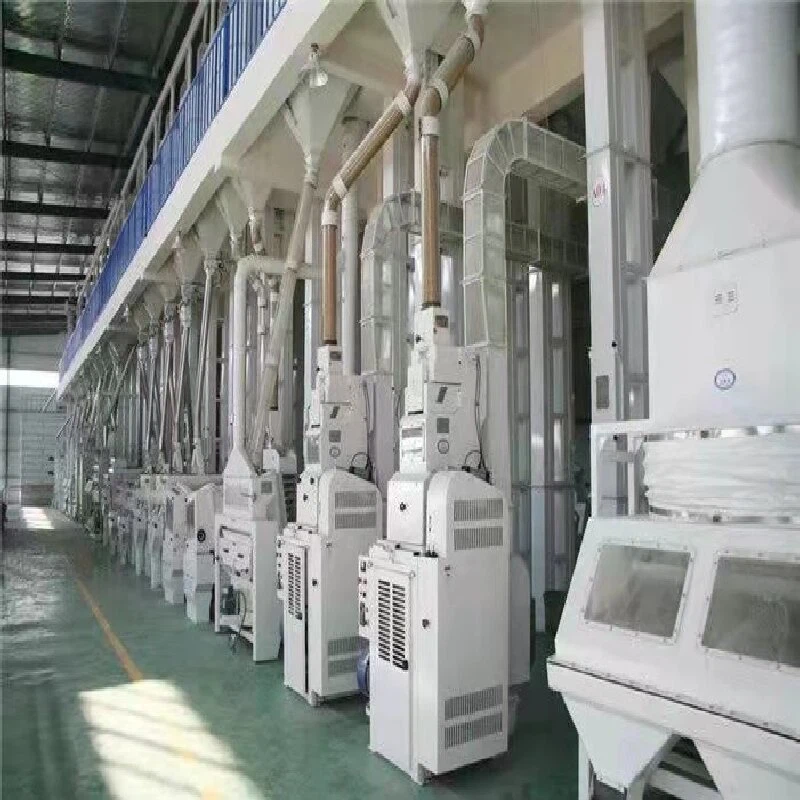
Horizontal rice mills are designed to process large quantities of rice quickly and efficiently. They can handle high - volume production, making them suitable for commercial rice - processing operations. For example, the Complete Set Of Machinery And Equipment For Processing 80 Tons Of Rice Per Day is a great option for large - scale rice producers.
Quality Control
These mills allow for better quality control. The adjustable settings mean that the mill can be customized to produce rice with the desired level of bran removal. This ensures that the final product meets the specific requirements of the market.
Durability
Horizontal rice mills are built to last. They are made of high - quality materials and are designed to withstand the rigors of continuous operation. This means less downtime for maintenance and repairs, resulting in higher productivity.
Contact Us for Your Rice - Processing Needs
If you're in the rice - processing business or are looking to start one, our horizontal rice mills are the perfect solution for you. We offer a wide range of machines, from small - scale units for local producers to large - scale industrial equipment for high - volume processing. Our team of experts can help you choose the right machine for your specific needs and provide you with all the support you need for installation, operation, and maintenance.
Whether you're interested in the Double Roll Rice Grinder, the Complete Set Of Machinery And Equipment For Processing 80 Tons Of Rice Per Day, or the Horizontal Sand Roller Rice Machine, we've got you covered. Don't hesitate to get in touch with us to discuss your requirements and start a partnership that will take your rice - processing business to the next level.
References
- "Rice Processing Technology" by International Rice Research Institute
- "Principles of Cereal Science and Technology" by Dexter W. Watson and Steven R. Ramseyer