

As a supplier of horizontal rice mills, I've witnessed firsthand the intricate relationship between the moisture content of rice and the performance of our machines. In this blog, I'll delve into how varying moisture levels can impact the operation of horizontal rice mills, offering insights based on years of industry experience.
Understanding Moisture Content in Rice
Moisture content is a critical factor in rice processing. It is typically expressed as a percentage of the weight of water in the rice grain relative to the total weight of the grain. The ideal moisture content for rice milling can vary depending on several factors, including the type of rice, the specific milling process, and the equipment being used.
In general, rice with a moisture content between 12% and 14% is considered optimal for most milling operations. At this level, the rice grains are firm enough to withstand the mechanical forces exerted during milling without breaking, while still being pliable enough to allow for efficient removal of the outer layers.
Impact of Low Moisture Content on Horizontal Rice Mills
When the moisture content of rice is too low, typically below 12%, several issues can arise that affect the performance of horizontal rice mills.
Increased Breakage
Dry rice grains are more brittle and prone to breakage during the milling process. As the rice passes through the mill, the mechanical forces applied to remove the outer layers can cause the grains to shatter, resulting in a higher percentage of broken rice. This not only reduces the quality of the final product but also leads to a loss of yield, as broken rice is often sold at a lower price.
Reduced Milling Efficiency
Low-moisture rice can also reduce the efficiency of the milling process. The dry grains may not adhere well to the milling surfaces, making it more difficult to remove the outer layers effectively. This can result in longer milling times, increased energy consumption, and a lower overall throughput of the mill.
Wear and Tear on Equipment
The abrasive nature of dry rice can cause increased wear and tear on the components of the horizontal rice mill. The hard grains can damage the milling rolls, sand rollers, and other parts, leading to more frequent maintenance and replacement costs.
Impact of High Moisture Content on Horizontal Rice Mills
Conversely, when the moisture content of rice is too high, above 14%, it can also pose challenges for horizontal rice mills.
Clogging
Moist rice grains tend to stick together, which can cause clogging in the mill. This can disrupt the flow of rice through the machine, leading to uneven milling and reduced productivity. In severe cases, clogging can even cause the mill to shut down, requiring manual intervention to clear the blockage.
Mold and Mildew Growth
High moisture levels create a favorable environment for the growth of mold and mildew. This not only affects the quality of the rice but can also pose health risks to workers in the milling facility. Additionally, mold and mildew can damage the components of the mill, leading to corrosion and other issues.
Poor Milling Quality
Rice with high moisture content may not be milled as effectively, resulting in a lower-quality final product. The outer layers of the grain may not be removed completely, leaving behind a rough or uneven surface. This can affect the appearance, taste, and cooking properties of the rice.
Optimizing Moisture Content for Horizontal Rice Mills
To ensure optimal performance of horizontal rice mills, it is essential to control the moisture content of the rice before processing. This can be achieved through a combination of pre-milling treatments, such as drying or tempering.
Drying
Drying is the most common method used to reduce the moisture content of rice. This can be done using a variety of drying equipment, such as hot air dryers or fluidized bed dryers. The goal is to bring the moisture content of the rice down to the optimal range of 12% to 14% without causing excessive breakage or damage to the grains.
Tempering
Tempering involves allowing the rice to rest after drying to allow the moisture to redistribute evenly throughout the grain. This can help to improve the milling quality and reduce breakage. Tempering times can vary depending on the type of rice and the initial moisture content, but typically range from a few hours to a few days.
Our Horizontal Rice Mill Solutions
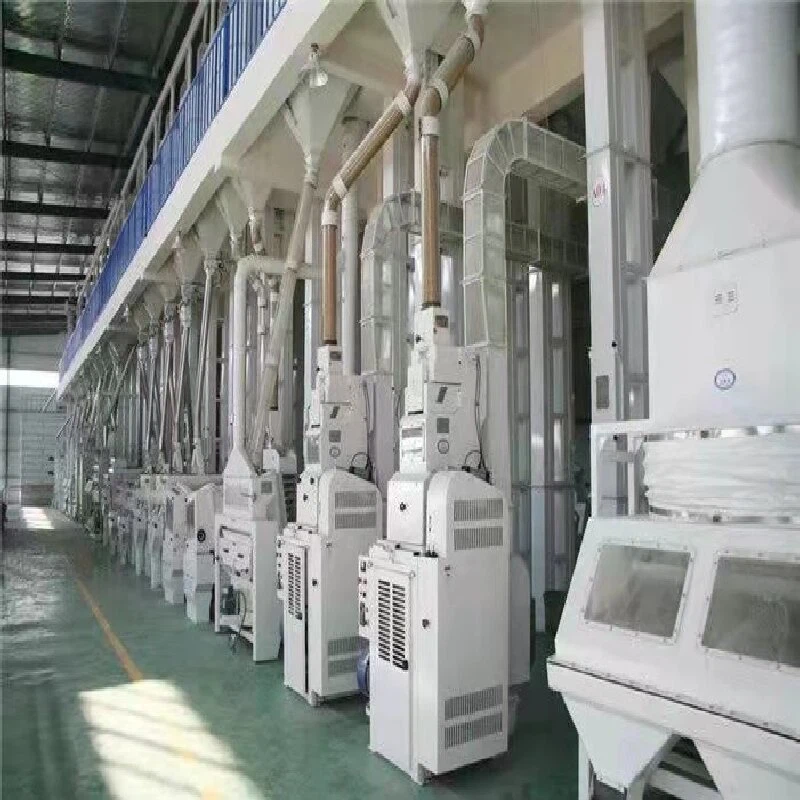
At our company, we offer a range of horizontal rice mills designed to handle rice with different moisture contents. Our Complete Set Of Machinery And Equipment For Processing 80 Tons Of Rice Per Day is a comprehensive solution that includes all the necessary equipment for efficient rice milling. It is equipped with advanced technology to ensure precise control of the milling process, even when dealing with rice of varying moisture levels.
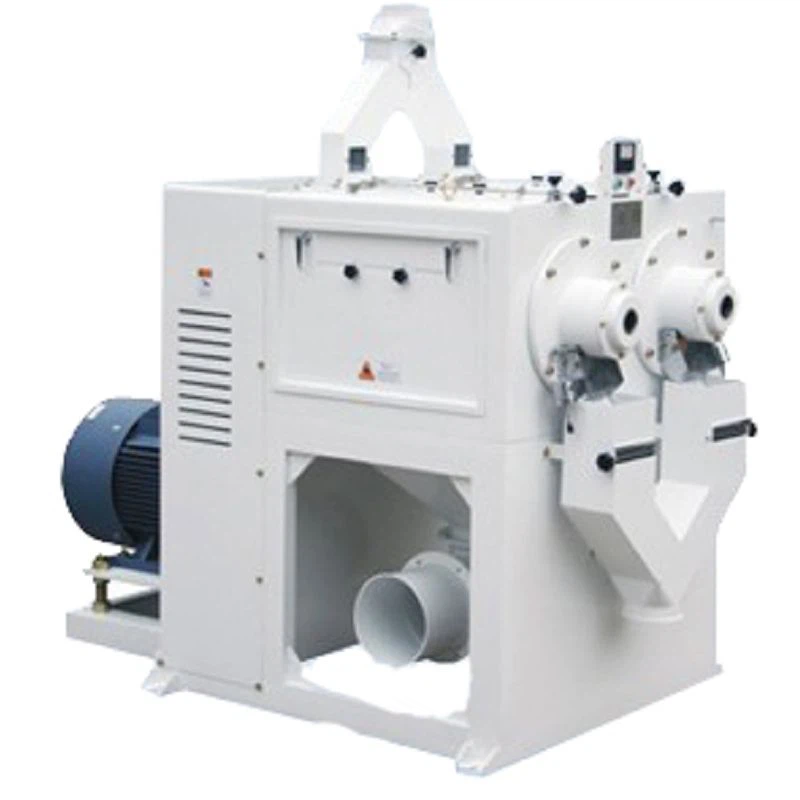
Our Double Roll Rice Grinder is another popular option. It features a double-roll design that provides a more uniform milling action, reducing breakage and improving the quality of the final product. The grinder is also adjustable, allowing for customization based on the specific requirements of the rice being processed.
For those looking for a more specialized solution, our Horizontal Sand Roller Rice Machine is an excellent choice. The sand roller technology provides a gentle yet effective milling action, ideal for high-quality rice production. It is also designed to minimize breakage and ensure a consistent milling result.
Conclusion
The moisture content of rice has a significant impact on the performance of horizontal rice mills. Whether the moisture content is too low or too high, it can lead to issues such as increased breakage, reduced milling efficiency, clogging, and poor milling quality. By controlling the moisture content of the rice before processing and using the right equipment, such as our horizontal rice mills, it is possible to achieve optimal performance and produce high-quality rice.
If you are interested in learning more about our horizontal rice mills or have any questions about rice milling, please feel free to contact us. We are always happy to discuss your specific needs and provide customized solutions to meet your requirements.
References
- Rice Milling Technology, Second Edition, by R. S. S. Shivhare and N. K. Singh
- Handbook of Cereal Science and Technology, Third Edition, edited by K. V. Bhattacharya
- Rice Processing and Quality, edited by Q. Wang and Y. Xu