

Stability is a critical factor in the operation of a horizontal rice mill. As a supplier of horizontal rice mills, I understand the importance of ensuring that our machines run smoothly and consistently. In this blog post, I will share some key strategies and considerations to help you maintain the stability of a horizontal rice mill during operation.
1. Proper Installation and Foundation
The first step in ensuring the stability of a horizontal rice mill is proper installation on a solid foundation. The foundation should be level, firm, and capable of supporting the weight of the machine. Uneven or weak foundations can cause vibration and misalignment, leading to premature wear and tear on the mill's components.
Before installation, carefully read the manufacturer's instructions and follow the recommended procedures. Use a spirit level to ensure that the mill is perfectly horizontal. If necessary, use shims to adjust the height and level of the machine. Additionally, make sure that the mill is securely bolted to the foundation to prevent any movement during operation.
2. Regular Maintenance and Inspection
Regular maintenance and inspection are essential for the long - term stability and performance of a horizontal rice mill. Here are some key maintenance tasks:
Lubrication
All moving parts of the rice mill, such as bearings, gears, and shafts, need proper lubrication. Lubricants reduce friction, prevent overheating, and extend the lifespan of the components. Refer to the manufacturer's recommendations for the type and frequency of lubrication. Generally, bearings should be greased regularly, and gearboxes may require oil changes at specific intervals.
Belt Tension
Check the tension of the drive belts regularly. Loose belts can slip, reducing the efficiency of the mill and causing uneven operation. On the other hand, overly tight belts can put excessive stress on the bearings and shafts. Use a belt tension gauge to ensure that the belts are tightened to the correct specification.
Component Inspection
Inspect all components of the rice mill, including the rollers, screens, and fans, for wear and damage. Replace any worn or damaged parts immediately to prevent further problems. Pay special attention to the rollers, as they are in direct contact with the rice and are subject to significant wear. Regularly measure the diameter of the rollers and replace them when they reach the minimum allowable size.
3. Quality of Input Materials
The quality of the input materials also plays a crucial role in the stability of a horizontal rice mill. Contaminated or inconsistent rice can cause problems such as clogging, uneven milling, and increased machine wear.
Before feeding the rice into the mill, make sure it is clean and free of foreign objects such as stones, dirt, and straw. Use a pre - cleaning device to remove these impurities. Additionally, ensure that the moisture content of the rice is within the recommended range. Too high or too low moisture can affect the milling process and the performance of the mill.
4. Optimal Operating Parameters
Setting the optimal operating parameters is essential for the stable operation of a horizontal rice mill. These parameters include the speed of the rollers, the pressure applied to the rice, and the flow rate of the rice through the mill.
Roller Speed
The speed of the rollers affects the milling efficiency and the quality of the output rice. Generally, a higher roller speed can result in a more efficient milling process, but it may also cause more breakage of the rice grains. Adjust the roller speed according to the type and quality of the rice being processed.
Pressure
The pressure applied to the rice during milling is another important parameter. Too much pressure can lead to excessive breakage, while too little pressure may result in incomplete milling. Use the mill's pressure adjustment mechanism to set the appropriate pressure for the specific rice variety.
Flow Rate
Controlling the flow rate of the rice through the mill is crucial for maintaining a stable operation. A consistent and appropriate flow rate ensures that the mill can process the rice evenly. Use a flow control valve or a feeder to regulate the amount of rice entering the mill.
5. Operator Training
Well - trained operators are key to ensuring the stability of a horizontal rice mill. Operators should be familiar with the machine's operation, maintenance, and safety procedures. They should know how to adjust the operating parameters, perform regular inspections, and troubleshoot common problems.
Provide comprehensive training to your operators, either in - house or through the manufacturer's training programs. Encourage them to ask questions and stay updated on the latest techniques and best practices in rice milling.

6. Use of High - Quality Components
As a horizontal rice mill supplier, we understand the importance of using high - quality components in our machines. High - quality components are more durable, reliable, and less likely to cause problems during operation.
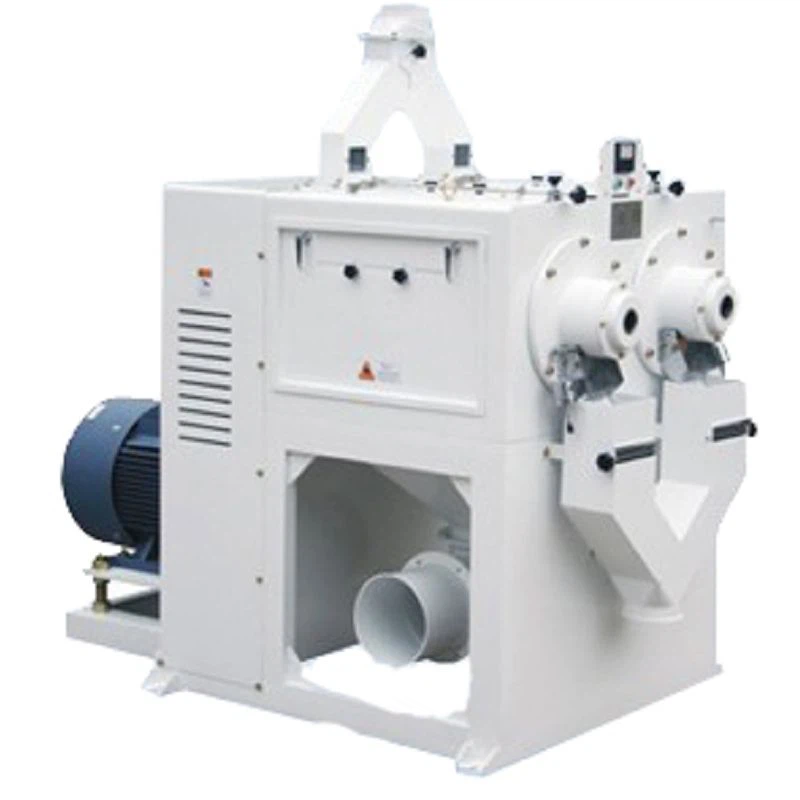
We use advanced manufacturing techniques and strict quality control measures to ensure that our mills are built with the best components available. For example, our Horizontal Iron Roller Rice Machine and Horizontal Sand Roller Rice Machine are equipped with high - precision rollers and strong gears, which can withstand the rigors of continuous operation.
7. Monitoring and Feedback
Install monitoring devices on the rice mill to continuously track its performance. These devices can measure parameters such as temperature, vibration, and power consumption. By monitoring these parameters, you can detect any potential problems early and take corrective actions before they lead to major breakdowns.
Collect feedback from operators and end - users on a regular basis. They may notice small changes in the mill's operation or performance that can indicate underlying issues. Use this feedback to improve the mill's design and operation.
Conclusion: Ensuring Your Rice Milling Success
Ensuring the stability of a horizontal rice mill during operation requires a combination of proper installation, regular maintenance, careful control of input materials, optimal operating parameters, well - trained operators, high - quality components, and effective monitoring. By following these strategies, you can minimize downtime, improve the quality of the milled rice, and increase the overall efficiency of your rice processing operation.
If you are in the market for a reliable horizontal rice mill, we offer a Complete Set Of Machinery And Equipment For Processing 80 Tons Of Rice Per Day. Our products are designed with stability and performance in mind. We are committed to providing you with the best solutions for your rice milling needs. If you have any questions or are interested in purchasing our products, please feel free to get in touch with us for further discussions and negotiations.
References
- Rice Milling Technology Handbook, [Publisher's Name], [Year of Publication]
- Industrial Equipment Maintenance Guide, [Publisher's Name], [Year of Publication]
- Best Practices in Rice Processing, [Author's Name], [Publication Journal], [Year]