

Optimizing the operation of a horizontal rice mill is crucial for achieving better results in terms of rice quality, production efficiency, and cost - effectiveness. As a supplier of horizontal rice mills, I have extensive experience in this field and would like to share some valuable insights on how to optimize the operation of these machines.
Understanding the Basics of a Horizontal Rice Mill
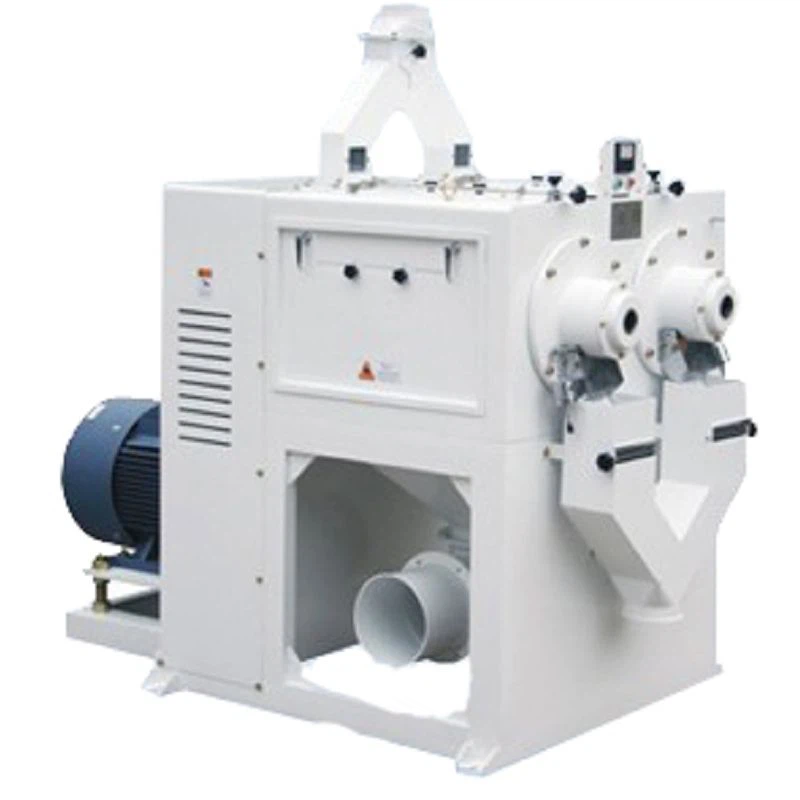
Before delving into optimization strategies, it's essential to understand the fundamental components and functions of a horizontal rice mill. A horizontal rice mill typically consists of a hopper, a feeding mechanism, milling chambers, and a discharge outlet. The grain is fed into the mill through the hopper, and then it passes through the milling chambers where the husk and bran layers are removed.
Our company offers a variety of horizontal rice mills, including the Horizontal Iron Roller Rice Machine, Double Roll Rice Grinder, and Horizontal Sand Roller Rice Machine. Each type has its own unique features and advantages, which can be selected based on specific production requirements.
Grain Quality and Pre - treatment
The quality of the input grain significantly affects the operation and output of a horizontal rice mill. Prior to milling, the grains should be properly cleaned to remove impurities such as stones, dust, and broken grains. This can be achieved through processes like sieving and winnowing. Impurities can cause damage to the milling rollers and reduce the quality of the final product.
It is also important to ensure that the moisture content of the grains is at an appropriate level. Grains with excessive moisture can clog the mill, while overly dry grains may result in broken rice during the milling process. Generally, the ideal moisture content for rice milling is around 12 - 14%. If the moisture content is too high, the grains can be dried using a grain dryer; if it's too low, a small amount of water can be added and the grains can be tempered for a few hours.
Adjusting the Milling Parameters
One of the key aspects of optimizing a horizontal rice mill is adjusting the milling parameters according to the type of rice and the desired output quality. The most important parameters include the gap between the rollers, the rotational speed of the rollers, and the feed rate.
The gap between the rollers determines the degree of milling. A smaller gap will result in more aggressive milling, removing more bran and husk, but it may also increase the breakage rate of the rice. On the other hand, a larger gap will produce rice with a higher bran content. Therefore, it's necessary to find a balance based on the market demand for the rice.
The rotational speed of the rollers affects the milling efficiency. A higher speed can increase the throughput of the mill, but it may also generate more heat, which can damage the rice grains. The optimal rotational speed should be determined through experimentation and experience, taking into account the type of rice and the capacity of the mill.
The feed rate is another critical parameter. A consistent and appropriate feed rate ensures that the mill operates smoothly. If the feed rate is too high, the mill may become overloaded, leading to poor milling quality and potential damage to the machine. If the feed rate is too low, the production efficiency will be reduced.
Maintenance and Lubrication
Regular maintenance is essential for the optimal operation of a horizontal rice mill. This includes checking and tightening the bolts and nuts, inspecting the belts and pulleys for wear and tear, and cleaning the milling chambers and other components regularly.
Lubrication is also a vital part of maintenance. The bearings, gears, and other moving parts of the mill need to be properly lubricated to reduce friction and prevent overheating. Using high - quality lubricants and following the manufacturer's recommendations for lubrication intervals can significantly extend the lifespan of the machine.
Cooling and Ventilation
During the milling process, a significant amount of heat is generated due to the friction between the rollers and the rice grains. Excessive heat can not only damage the rice but also affect the performance and durability of the mill. Therefore, proper cooling and ventilation systems are necessary.
Installing fans or using water - cooling systems can help dissipate the heat. Adequate ventilation in the milling room can also prevent the accumulation of heat and dust, creating a more favorable working environment.
Training the Operators
Well - trained operators are the key to optimizing the operation of a horizontal rice mill. They should have a good understanding of the machine's structure, working principles, and operating procedures. Training programs should cover topics such as grain pre - treatment, parameter adjustment, maintenance, and troubleshooting.

Operators should be able to identify and solve common problems such as blockages, abnormal noises, and inconsistent milling quality. Regular training and refresher courses can ensure that the operators stay updated with the latest techniques and best practices.
Monitoring and Quality Control
Implementing a monitoring system is crucial for continuous improvement of the milling process. This can include monitoring the temperature, power consumption, and output quality of the mill. By analyzing the data, adjustments can be made to the milling parameters in a timely manner to improve the overall performance.
Quality control is an integral part of the optimization process. Regularly sampling and testing the milled rice can help ensure that it meets the required standards in terms of appearance, taste, and nutritional value. If any quality issues are detected, immediate actions should be taken to identify and correct the root causes.
Conclusion
Optimizing the operation of a horizontal rice mill requires a comprehensive approach that takes into account various factors such as grain quality, milling parameters, maintenance, and operator training. By following the strategies outlined above, you can improve the quality of the milled rice, increase production efficiency, and reduce operating costs.
If you are interested in our horizontal rice mills or need further advice on optimizing the rice milling process, please feel free to contact us. We are committed to providing high - quality products and professional technical support to help you achieve better results in your rice milling business.
References
- "Rice Milling Technology" by the Food and Agriculture Organization of the United Nations
- "Principles of Cereal Science and Technology" by Dexter and Matsuo