

Hey there! As a supplier of rice stone removers, I've gotten tons of questions about the storage requirements for these machines. And let me tell you, proper storage is super important to keep your rice stone remover in tip - top shape and ensure it works well for years to come.
First off, let's talk about the environment where you're going to store your rice stone remover. The storage area should be dry. Moisture is a big no - no because it can cause rust and corrosion on the metal parts of the machine. You don't want your shiny new rice stone remover turning into a rusty mess, right? A humidity level of around 40 - 60% is ideal. If the area is too humid, you might want to consider using a dehumidifier. On the flip side, if it's too dry, it can cause some of the rubber or plastic components to become brittle over time.
The temperature also plays a crucial role. You should store the rice stone remover in an area with a stable temperature. Extreme cold can make the moving parts of the machine contract, which might lead to misalignments when you start it up again. On the other hand, extreme heat can cause the lubricants to break down and the plastic parts to warp. A temperature range of 10 - 30 degrees Celsius is generally a good target.
Now, let's move on to the physical space. The storage area needs to be clean. Dust and dirt can get into the small openings of the rice stone remover and clog up the filters or interfere with the moving parts. Make sure to clean the area regularly before you store the machine. Also, the space should be well - ventilated. This helps to prevent the build - up of any fumes or odors that might be emitted by the machine, especially if it has any electrical components.
When it comes to positioning the rice stone remover, it's best to keep it in an upright position. This ensures that all the internal components stay in their proper place. Laying it on its side or upside down can cause fluids (if any) to leak and might damage some of the sensitive parts.
If you're planning to store the rice stone remover for an extended period, say more than a few months, you need to take some extra steps. First, clean the machine thoroughly. Remove any leftover rice, stones, or debris from the hopper, conveyor belts, and separation chambers. You can use a soft brush or compressed air to get into the hard - to - reach areas.
Next, lubricate the moving parts. This helps to prevent rust and keeps the parts from seizing up. Use a high - quality lubricant recommended by the manufacturer. After lubricating, cover the machine with a protective cover. This can be a custom - made cover or a simple plastic sheet. The cover will protect the machine from dust, dirt, and light scratches.
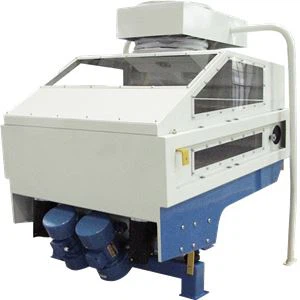
Now, let me introduce you to some of our popular rice stone removers. We have the Suction Vibrating Stone Removal Machine. This machine is really efficient at separating stones from rice. It uses vibration and suction technology to ensure a high - precision separation. Another great option is the Suction Type Gravity Stoner. It takes advantage of the difference in gravity between rice and stones to achieve effective separation.
If you're in the market for a rice stone remover or need more information about storage or any other aspect, don't hesitate to reach out. We're here to help you make the right choice for your rice processing needs. Whether you're a small - scale farmer or a large - scale rice mill, we have the perfect solution for you.
In conclusion, proper storage of your rice stone remover is essential for its longevity and performance. By following these simple guidelines, you can ensure that your machine is always ready to go when you need it. So, if you're interested in purchasing a high - quality rice stone remover or have any questions, just get in touch. We're looking forward to working with you!
References

- General knowledge on industrial equipment storage
- Manufacturer's guidelines for rice stone removers