

The efficiency of a horizontal rice mill is a crucial concern for rice processing businesses. One of the key factors influencing this efficiency is the minimum quantity of rice required for the mill to operate effectively. As a supplier of horizontal rice mills, I have gained significant insights into this aspect through years of experience in the industry.
Understanding the Basics of Horizontal Rice Mills
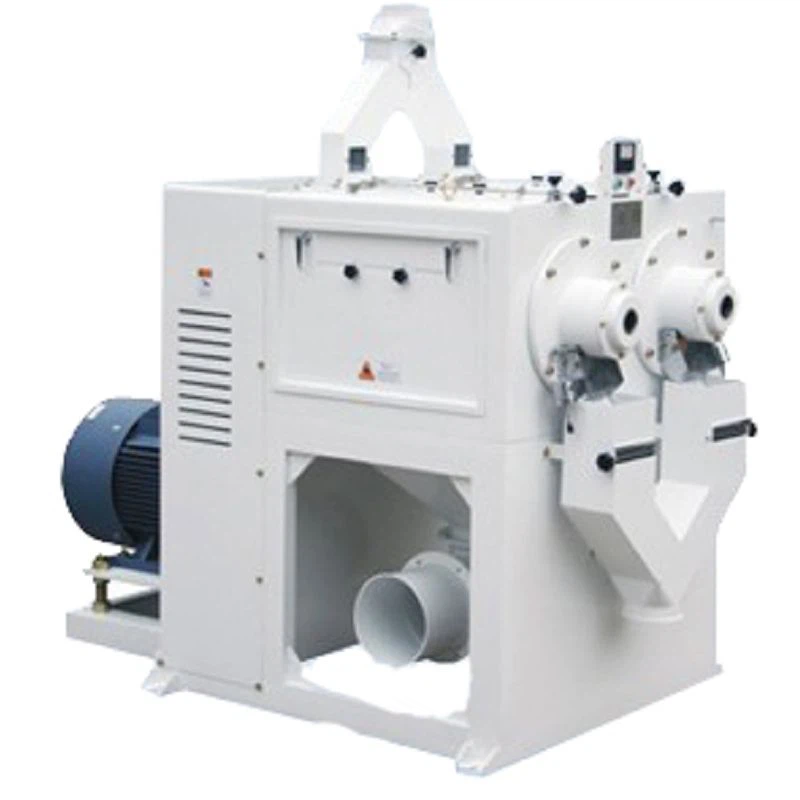
Horizontal rice mills come in various types, each with its own unique features and operating requirements. For instance, the Double Roll Rice Grinder is designed to provide a high - quality grinding process, while the Horizontal Sand Roller Rice Machine is known for its ability to remove the bran layer efficiently. The Horizontal Iron Roller Rice Machine is another popular option, often used for its durability and consistent performance.
These machines work by passing the rice through a series of rollers or grinding chambers. The friction and pressure exerted on the rice grains help in removing the outer husk, bran layer, and polishing the grains to achieve the desired quality. However, for these processes to be carried out effectively, a certain minimum quantity of rice is necessary.
Factors Affecting the Minimum Quantity
Several factors influence the minimum quantity of rice required for a horizontal rice mill to operate effectively.
1. Machine Design and Capacity
Different models of horizontal rice mills have different design specifications and capacities. Smaller mills, typically used for home - scale or small - business operations, may require a relatively smaller quantity of rice to function properly. For example, a small - capacity Double Roll Rice Grinder might be able to start operating efficiently with as little as 5 - 10 kilograms of rice. On the other hand, large - scale industrial horizontal rice mills, such as some of the high - capacity Horizontal Iron Roller Rice Machines, may need a minimum of 50 - 100 kilograms or more. This is because larger machines have more complex mechanisms and a larger grinding or polishing area that needs to be filled adequately to ensure uniform processing.
2. Rice Characteristics
The type and quality of rice also play a significant role. Long - grain rice and short - grain rice have different physical properties. Long - grain rice is more slender and may require a different quantity compared to short - grain rice. Additionally, the moisture content of the rice affects its flowability and the way it interacts with the mill's components. Rice with a higher moisture content may clump together, which can disrupt the normal operation of the mill. In such cases, a slightly larger quantity may be needed to ensure a smooth flow through the machine.
3. Operating Conditions
The operating environment, including temperature and humidity, can impact the minimum quantity requirement. In a humid environment, rice may absorb moisture, becoming stickier and more difficult to process. This may necessitate a larger quantity of rice to maintain the proper flow and prevent clogging in the mill. Similarly, extreme temperatures can affect the performance of the mill's mechanical parts, and adjusting the quantity of rice can help compensate for these effects.

Determining the Minimum Quantity
To determine the minimum quantity of rice for a specific horizontal rice mill, it is essential to refer to the manufacturer's guidelines. These guidelines are based on extensive testing and research to ensure optimal performance. However, in general, a good starting point is to consider the following steps:
1. Initial Testing
Start with a small quantity of rice, say 5 - 10 kilograms for a small - scale mill. Observe the operation of the mill carefully. Check if the rice is flowing smoothly through the machine, if the grinding or polishing process is uniform, and if there are any signs of clogging or uneven processing. If the mill is not operating effectively, gradually increase the quantity of rice in small increments, such as 1 - 2 kilograms at a time, until the desired performance is achieved.
2. Performance Evaluation
Once the mill seems to be operating smoothly, evaluate the quality of the processed rice. Check for factors such as the degree of bran removal, the polish of the grains, and the overall consistency of the product. If the quality meets the required standards, the quantity of rice used can be considered as the minimum quantity for effective operation.
Importance of Maintaining the Minimum Quantity
Maintaining the minimum quantity of rice is crucial for several reasons.
1. Efficiency
When the mill is operated with the minimum required quantity of rice, it can achieve its maximum efficiency. The rollers or grinding chambers are fully utilized, and the friction and pressure are distributed evenly across the rice grains. This results in a faster and more consistent processing time, reducing the overall energy consumption and increasing the output per unit of time.
2. Quality of the Processed Rice
Insufficient quantity of rice can lead to uneven processing. Some grains may receive more friction and pressure than others, resulting in over - polished or under - polished grains. By maintaining the minimum quantity, the rice is processed uniformly, ensuring a high - quality end product.
3. Machine Longevity
Operating the mill with an inadequate quantity of rice can put additional stress on the machine's components. The rollers may experience uneven wear, and the motor may have to work harder to maintain the operation. This can lead to premature breakdowns and reduce the lifespan of the machine. By using the minimum required quantity, the machine is protected from unnecessary wear and tear.
Conclusion
In conclusion, the minimum quantity of rice required for a horizontal rice mill to operate effectively depends on multiple factors, including machine design, rice characteristics, and operating conditions. As a supplier of horizontal rice mills, I understand the importance of getting this right for our customers. We always provide detailed guidelines and support to help our clients determine the optimal quantity of rice for their specific mills.
If you are in the market for a horizontal rice mill or need more information on the minimum quantity requirements for your existing mill, we are here to assist you. Our team of experts can offer personalized advice and solutions based on your specific needs. Contact us to start a discussion about your rice processing requirements and explore how our horizontal rice mills can enhance your business operations.
References
- Rice Processing Technology Handbook. Published by an industry - leading publisher, this handbook provides in - depth knowledge about the various aspects of rice processing, including the operation of horizontal rice mills.
- Research papers on rice mill efficiency and performance. These papers, published in relevant scientific journals, offer insights into the factors affecting the minimum quantity of rice required for effective mill operation.