

Rice milling efficiency directly affects output, quality, and profit for farms and milling plants. A vertical rice mill is a reliable solution to upgrade processing with less waste, lower energy use, and higher throughput. This guide shares simple, practical ways to maximize efficiency with this machine.
What Makes Vertical Rice Mills Efficient?
Vertical rice mills use gravity-assisted milling and even pressure distribution. They create less broken rice, save space, and consume less power than traditional horizontal models. Their compact structure also simplifies workflow and reduces downtime.
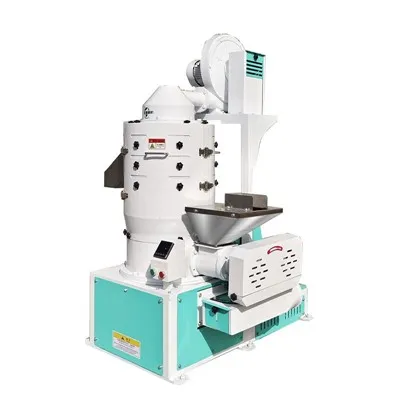

Key Tips to Boost Milling Efficiency
1. Optimize Feeding Speed & Consistency
Uneven feeding causes blockages and poor milling. Maintain a steady, moderate feed rate. Use a matching hopper or feeder to keep paddy flow smooth and stable.
2. Control Pressure for Lower Broken Rice
Set proper milling pressure based on rice type and moisture. Low, even pressure protects grains, raises whole-rice yield, and improves quality without slowing production.
3. Regular Cleaning & Maintenance
Clean screens, rollers, and bran outlets daily to prevent clogging. Lubricate parts and check wear weekly. Well-maintained machines run longer and perform more efficiently.
4. Match Moisture Content
Paddy moisture greatly affects efficiency. Ideal moisture ranges from 13% to 15%. Adjust drying or tempering before milling to get the best results.
Benefits of Improved Efficiency
1. Higher whole‑grain yield and better rice quality
2. Lower energy and labor costs
3. Higher hourly output and less downtime
4. Longer machine life and fewer repairs
Conclusion
A vertical rice mill improves efficiency when used properly. By controlling feeding, pressure, maintenance, and moisture, you can greatly increase output, reduce waste, and boost profits. It is a cost-effective upgrade for modern rice processing.