

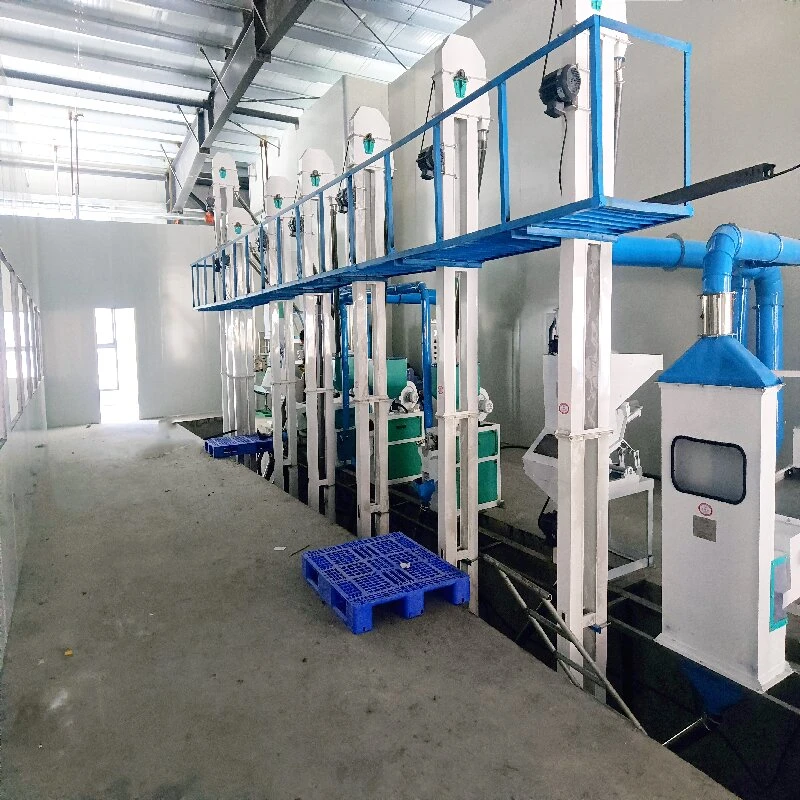
Products Description
Let me keep it real-this brown rice processing machine is exactly what you need for brown rice. It's not bulky at all, only 1.1 meters long and 0.7 meters wide, so it fits right in your existing workshop, even if you're short on space. Unlike those complicated machines that need a tech expert to run, this one is super simple-one worker can learn it in 15 minutes max. It cleans, debrans, and polishes brown rice in one go, so you don't need three separate machines. It gets rid of 95% of the bran, keeps the brown rice intact (only 1.8% broken rice), and preserves all the nutrients that make brown rice popular with local customers.
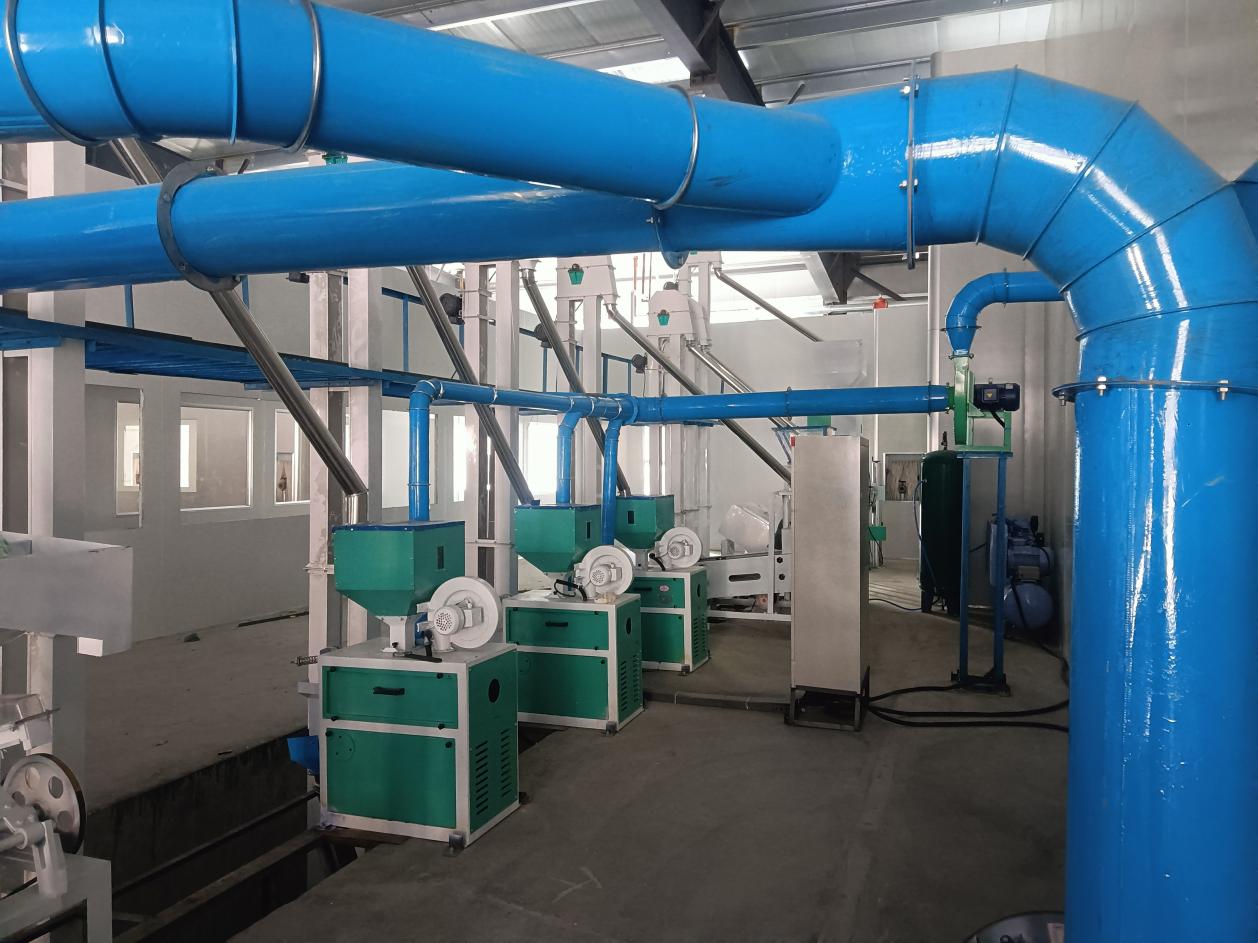
Brown Rice Processing Flowchart:
1. Raw material selection and grading: First, select suitable rice raw materials and remove impurities through screening, stone removal, and other cleaning steps to ensure the purity of the raw materials. This step helps improve the consistency of the brown rice quality.
2. Shelling: A huller is used to remove the husk from the rice, resulting in brown rice. This process may also involve wind selection to further enhance the shelling efficiency.
3. Brown rice cleaning and selection grading: Further remove impurities such as straw, sand, and gravel from the brown rice through wind selection and screening. The rice is then selected and graded based on size and weight to ensure consistent quality in the processed brown rice.
4. Soaking and Steaming: Control the water temperature and soaking time to allow the brown rice to fully absorb water and expand. Choose a suitable soaking solution, such as water or a nutrient-rich soaking solution, to enhance the nutritional value of the brown rice. Control the temperature and steaming time to ensure that the rice is cooked thoroughly while maintaining its nutritional content.
5. Germination (optional): For specific products, such as germinated brown rice, after an appropriate germination period, the rice is primarily composed of young buds and endosperm in the husk. This step imparts health benefits and improves the food quality of the brown rice.
6. Packaging and Output: Finally, based on market demand, the processed brown rice is packaged in various specifications and materials, such as regular plastic bags, textile bags, or vacuum packaging, to ensure the quality and taste of the rice.
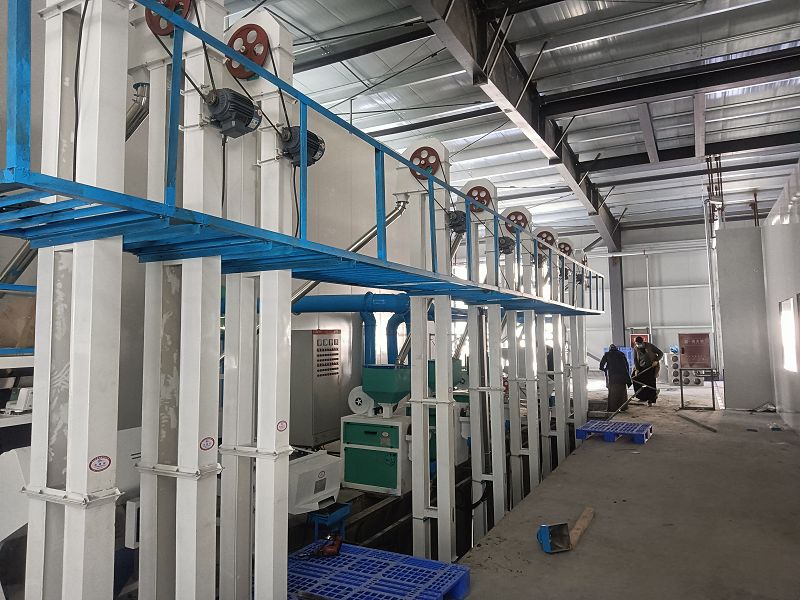
In your day-to-day work, this machine is a total timesaver. It can run 8 to 10 hours nonstop without overheating, and processes 0.7 to 1.2 tons of paddy into brown rice per hour-perfect for small to medium mills like yours. Let's talk about the headaches it solves: no more wasting rice because of over-processing, no more spending hours cleaning up bran, and no need to hire extra workers to run multiple machines. It works with all the local paddy types you grow-long-grain, medium-grain, even the fragrant paddy in Vietnam-and handles slightly wet paddy too, so you don't have to wait for it to dry.
|
Parameter |
Specification |
|---|---|
|
Processing Capacity |
0.7–1.2 tons of paddy per hour (into brown rice) |
|
Husking & Debranning Rate |
95% bran removal rate; 89%–93% husking rate |
|
Broken Rice Rate |
≤1.8% |
|
Dimensions (L×W) |
1.1m × 0.7m |
|
Weight |
110kg |
|
Continuous Working Time |
8–10 hours |
|
Electricity Saving |
25% less than ordinary brown rice processing machines |
|
Debranning Roller Service Life |
450 working hours (under normal use) |
|
Voltage |
Adapted to Vietnam, Malaysia, Philippines local voltage |
As someone who's worked with mill owners in Southeast Asia for years, I know you're watching every penny. This processing machine is affordable, and it saves you money long-term. It uses 25% less electricity than other brown rice machines-so your monthly bill drops a lot. Maintenance is a breeze: just clean the bran collector after each shift, and replace the debranning roller every 450 working hours. A customer in Da Nang, Vietnam, told me he started selling brown rice for a higher price, and got his investment back in 6 to 8 months-now that's a smart move.
A small tip from me: don't put too much paddy in at once-stick to the 0.7-1.2 tons per hour limit, or it might leave bran on the rice. Also, check the debranning roller once a week to make sure it's clean-clogged rollers mean lower quality brown rice. And since it's easy to move (only 110kg), you can shift it around your workshop whenever you need to, but lift it from the base to avoid breaking the controls. It's pre-wired for the voltage in Vietnam, Malaysia, and the Philippines, so you can plug it in and start making brown rice right away.

Here are the most common questions I get from buyers like you, answered straight up: First, is it easy to clean? Yes-after every shift, simply empty the bran collector and wipe down the machine with a damp cloth; it takes no more than 5 minutes. Next, can it produce different grades of brown rice? Absolutely-you can adjust the settings to meet your customers' specific needs.
This machine isn't for big industrial mills-it's for you, the small to medium mill owner who wants to add brown rice to your products and make more money. It's built to handle our hot, humid weather, and it's simple, reliable, and doesn't give you extra work. If you're tired of struggling to make good brown rice and wasting time and money, this brown rice processing machine is the one you need.
Hot Tags: brown rice processing machine, China brown rice processing machine manufacturers, suppliers, factory, industrial rice polisher, rice polisher for creating a more harmonious environment in the rice supply chain, rice polisher for ensuring consistent rice quality, warehouse of rice mill, market research for rice mill, rice polisher for meeting environmental regulations in rice processing


