


Products Description
Our double roll rice polishing machine is a heavy‑duty, reliable solution built for medium to large rice mills that want consistent, high‑quality polished rice with less waste. It uses dual polishing rollers and precise water‑air mist control to gently smooth and brighten every grain, so you get clean, shiny, market‑ready rice without extra breakage. Designed for long daily runs and easy upkeep, it fits right into modern rice processing lines and helps you boost both product quality and output.
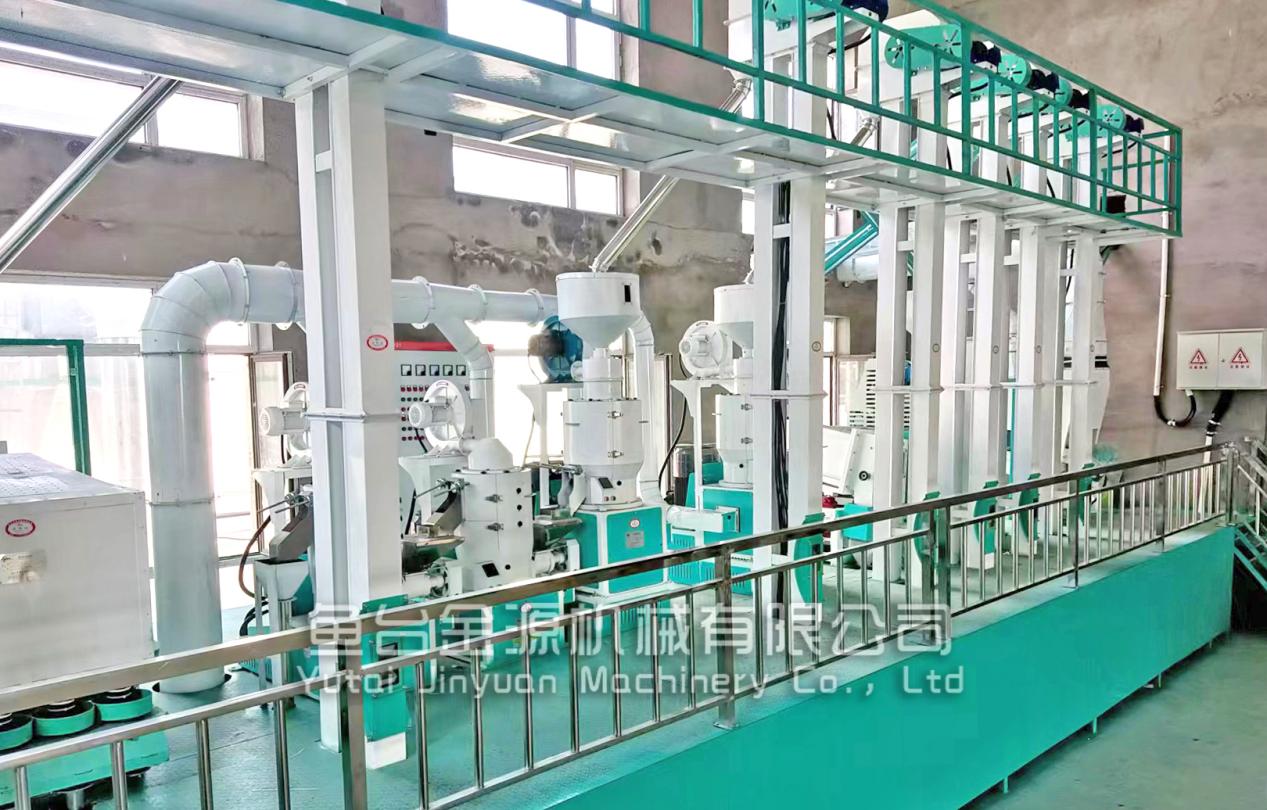
Most of the rice comes from individual farmers, with a variety of rice varieties. The harvesting and drying conditions are poor, leading to high levels of impurities in the raw grains. This creates significant challenges for rice processing. To address this issue, the rice cleaning process is designed with multiple screening and stone removal steps. In actual production, the number of screening and stone removal processes is flexibly chosen based on the level of impurities in the raw grains. Wind selection is strengthened to ensure the quality of clean grains. We cannot rely on color sorters to control impurities during the finished product stage. At the end of the cleaning process, large factories sort the rice into smaller grains, separate hulling and milling, and select the technical parameters for hulling and milling equipment to minimize broken rice. Separately packaging large and small grains helps increase the product's value.
Processing of hulled grains and conditioning of brown rice: Large factories use separate processing for hulled grains. The rice that has not been hulled after the first hulling goes through a secondary roller pressing process, which reduces the ability to withstand roller pressure. This portion of unshelled rice (returned hulled rice) is incorporated into the mainstream rice in the huller. Further peeling can easily lead to bursting and broken rice. It is better to choose a rice huller to process the returned rice separately, adjusting the roller pressure and line speed difference reasonably. This approach not only reduces rough rice and broken grains, but also decreases rubber and electricity consumption, and is convenient for operation and management.
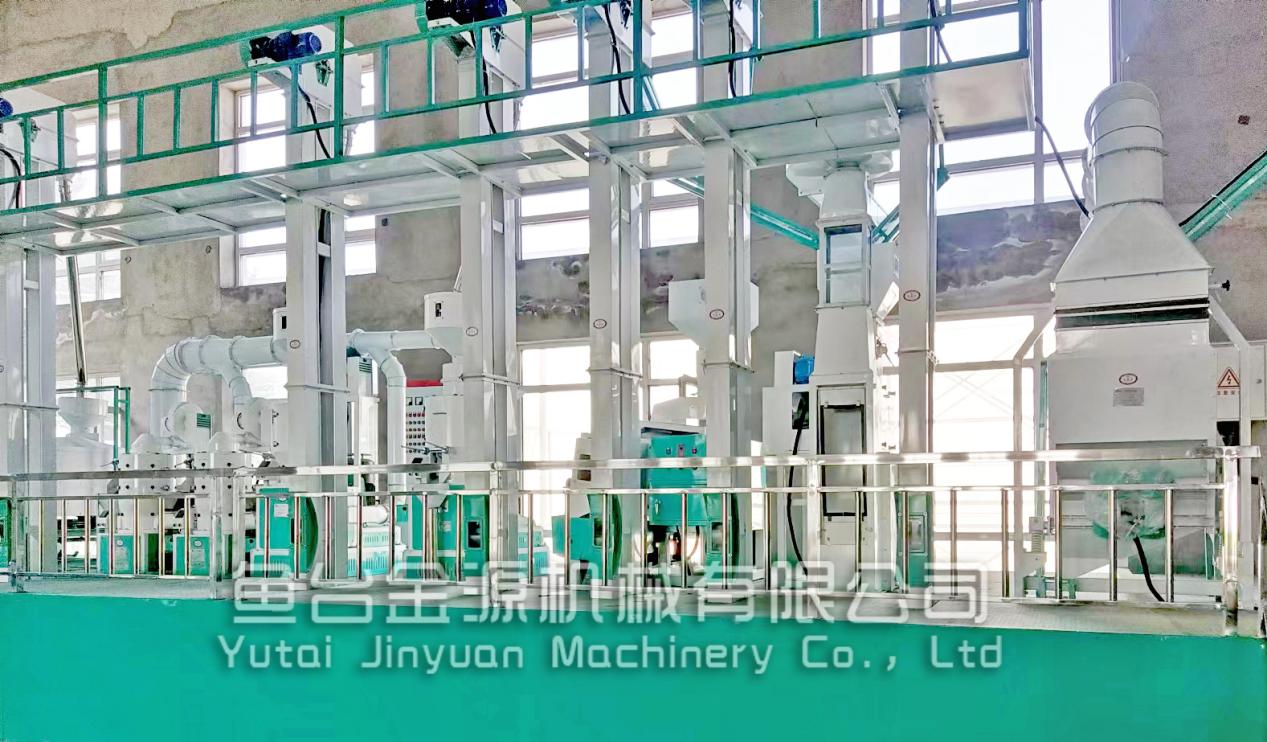
Material & Structure
Main body
Five years of electronic mechanical products precipitation,products mature and stable
01
Dual polishing rollers
High‑strength emery or iron rollers for even, gentle polishing
02
Closed polishing chamber
Keeps dust low and maintains stable pressure
03
Independent water & air supply
Fine mist system for consistent hydration
04
Stable base frame
Reduces vibration during long hours of operation
05
Product Advantages
1. Dual‑roller design polishes more evenly than single‑roll machines, with a much lower broken rice rate
2. Produces bright, smooth, glossy rice that sells better in supermarkets and export markets
3. Stable performance, less downtime, and simple daily maintenance
4. Low energy use for its output, cutting long‑term operating costs
5. Adjustable polishing strength to match different rice varieties
Production Advantages
1. High throughput: Supports continuous production for commercial mills
2. Steady, reliable output with minimal variation between batches
3. Easy to integrate with existing milling, whitening, and grading lines
4. User‑friendly controls mean short training for your team
5. Durable structure extends service life and lowers total cost of ownership
Applications
1. Medium and large‑scale rice milling factories
2. Rice processing plants for branded packaged rice
3. Export‑oriented rice production lines
4. Facilities making high‑grade white rice, silky rice, and no‑wash rice
5. Grain processing centers in agricultural regions
FAQ
Q: What is the output of a double roll rice polishing machine?
A: It varies by model, typically ranging from 4–8 tons per hour, suitable for most commercial mills.
Q: Can it handle different types of rice?
A: Yes, you can adjust polishing pressure and water flow for long, medium, and short‑grain rice.
Q: How much broken rice does it produce?
A: The broken rate is low, usually under 2% in normal operation with correct settings.
Q: Is it easy to clean and maintain?
A: Yes, it has a simple structure with easy access to rollers and screens; daily cleaning takes little time.
Q: How long does the polishing roller last?
A: With normal use, rollers can work for 6–12 months before needing replacement.
Q: Do you support voltage customization for export?
A: Yes, we can adjust to 380V, 415V, 220V, 50Hz, or 60Hz based on your local power.
Q: How is the machine packed and shipped?
A: We use standard export plywood crates for safe sea or land transport.
Q: What if we have operation problems after purchase?
A: We provide quick online support, video guidance, and detailed troubleshooting to solve issues fast.
Hot Tags: double roll rice polishing machine, China double roll rice polishing machine manufacturers, suppliers, factory, rice polishing machine for the strengthening of international rice trade relations, grain polishing machine, rice polishing machine for grain storage facilities, rice refining machine, rice polishing machine for different rice varieties, rice polishing machine for the transportation of polished rice


