

Hey there! I'm a supplier of rice stone removers, and today I'm gonna share some tips on how to adjust the sensitivity of a rice stone remover. Whether you're a small - scale rice farmer or running a big rice processing plant, getting the sensitivity of your rice stone remover right is crucial for efficient and high - quality rice production.
Understanding the Basics of a Rice Stone Remover
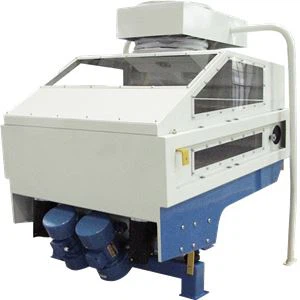
Before we dive into adjusting the sensitivity, let's quickly go over how a rice stone remover works. There are different types of rice stone removers out there, like the Suction Vibrating Stone Removal Machine and the Suction Type Gravity Stoner.
These machines work on the principle of separating stones from rice based on differences in physical properties such as density and size. The rice and stones mixture is fed into the machine, and through vibration, air suction, or a combination of both, the stones are separated from the rice.
Why Adjust the Sensitivity?
You might be wondering why you need to adjust the sensitivity in the first place. Well, different batches of rice may have different characteristics. For example, some batches might have more stones, or the stones might be of different sizes and densities. If the sensitivity is too low, the machine might not remove all the stones, and you'll end up with rice that still has impurities. On the other hand, if the sensitivity is too high, the machine might remove some good rice along with the stones, leading to unnecessary losses.
Factors Affecting Sensitivity
There are several factors that can affect the sensitivity of a rice stone remover.

- Vibration Frequency: The vibration of the machine helps in separating the rice and stones. If the vibration frequency is too low, the separation might not be effective. If it's too high, it can cause excessive movement and may lead to some good rice being removed with the stones.
- Air Suction Pressure: In machines that use air suction, the pressure of the air plays a vital role. A higher air suction pressure can remove lighter stones and impurities more effectively, but it also has the risk of sucking in some rice if not adjusted properly.
- Screen Mesh Size: The size of the screen mesh in the machine determines which particles can pass through. A smaller mesh size can trap smaller stones, but it may also slow down the flow of rice if it's too small.
Step - by - Step Guide to Adjusting Sensitivity
Step 1: Check the Machine Manual
The first thing you should do is check the machine manual. Every rice stone remover is different, and the manual will have specific instructions on how to adjust the sensitivity. It might also have recommended settings based on different types of rice and stone mixtures.
Step 2: Start with a Test Batch
Before making any major adjustments, it's a good idea to run a test batch of rice through the machine. Observe how well the machine is separating the stones from the rice. Are there still a lot of stones in the output rice? Or is too much good rice being removed with the stones? This will give you an idea of whether you need to increase or decrease the sensitivity.
Step 3: Adjust the Vibration Frequency
If your machine has an adjustable vibration frequency, start by making small adjustments. Increase the frequency if you notice that the stones are not being separated effectively. But be careful not to increase it too much, as this can cause unnecessary losses of good rice. You can test the machine after each small adjustment to see if there's an improvement.
Step 4: Modify the Air Suction Pressure
For machines with air suction, adjusting the pressure is another important step. If you find that the machine is not removing enough stones, increase the air suction pressure slightly. However, if you see that good rice is being sucked out along with the stones, decrease the pressure. Again, make small adjustments and test the machine in between.
Step 5: Evaluate the Screen Mesh
If possible, check the screen mesh size. If you're dealing with a batch of rice that has a lot of small stones, you might want to consider using a smaller mesh size. But remember, a very small mesh size can cause blockages and slow down the processing speed. So, find a balance that works for your specific batch of rice.
Step 6: Continuously Monitor and Fine - Tune
Adjusting the sensitivity is not a one - time thing. You need to continuously monitor the output of the machine and make fine - tuning adjustments as needed. Different batches of rice may require different settings, so stay vigilant and be ready to make changes.
Troubleshooting Common Issues
Even after adjusting the sensitivity, you might encounter some issues. Here are some common problems and how to fix them.
Stones Still in the Rice
If you still find stones in the output rice, first check if the machine settings are correct. Maybe the vibration frequency is too low or the air suction pressure is not strong enough. You can also check if there are any blockages in the machine that might be affecting the separation process.
Excessive Loss of Good Rice
If too much good rice is being removed with the stones, reduce the vibration frequency or air suction pressure. Also, check if the screen mesh is too small, as this can cause good rice to get trapped along with the stones.
Conclusion
Adjusting the sensitivity of a rice stone remover is an important skill that can greatly improve the quality and efficiency of your rice processing. By understanding the factors that affect sensitivity and following the step - by - step guide, you can ensure that your machine is working at its best.
If you're in the market for a new rice stone remover or need further advice on adjusting the sensitivity of your existing machine, feel free to reach out. We're here to help you get the most out of your rice processing operations.
References
- General knowledge of rice processing machinery
- Experience from years of supplying rice stone removers