

As a supplier of combined rice mills, ensuring the stability of these machines during operation is not only a technical challenge but also a crucial factor in meeting the needs of our customers. In this blog, I will share some key strategies and considerations that we, as a supplier, have found effective in maintaining the stability of combined rice mills.
1. Quality Components and Design
The foundation of a stable combined rice mill lies in its components and design. High - quality materials are essential for withstanding the rigors of continuous operation. For example, the rollers, which are responsible for hulling and polishing the rice, should be made of wear - resistant materials. We source our rollers from reliable manufacturers that adhere to strict quality control standards. This ensures that they can maintain their shape and performance over a long period, reducing the risk of breakdowns due to excessive wear.
In terms of design, a well - thought - out layout is crucial. The combined rice mill should be designed in such a way that the flow of rice through the different processing stages is smooth and uninterrupted. This requires careful consideration of the size and position of each component, as well as the overall structure of the machine. Our engineering team uses advanced design software to optimize the layout of our Combined Rice Milling Machine, ensuring that it is both efficient and stable.
2. Regular Maintenance and Inspection
Regular maintenance is the key to keeping a combined rice mill running smoothly. We recommend that our customers establish a comprehensive maintenance schedule. This includes daily, weekly, and monthly checks.
On a daily basis, operators should check the lubrication levels of all moving parts. Proper lubrication reduces friction and wear, preventing premature failure of components. They should also inspect the belts and chains for any signs of damage or looseness. Loose belts or chains can cause uneven operation and may even lead to the machine stalling.
Weekly inspections should focus on the internal components of the mill. This includes checking the condition of the screens, which are used to separate the rice from the husks and bran. Clogged or damaged screens can affect the quality of the processed rice and may also cause the machine to work harder, leading to instability.

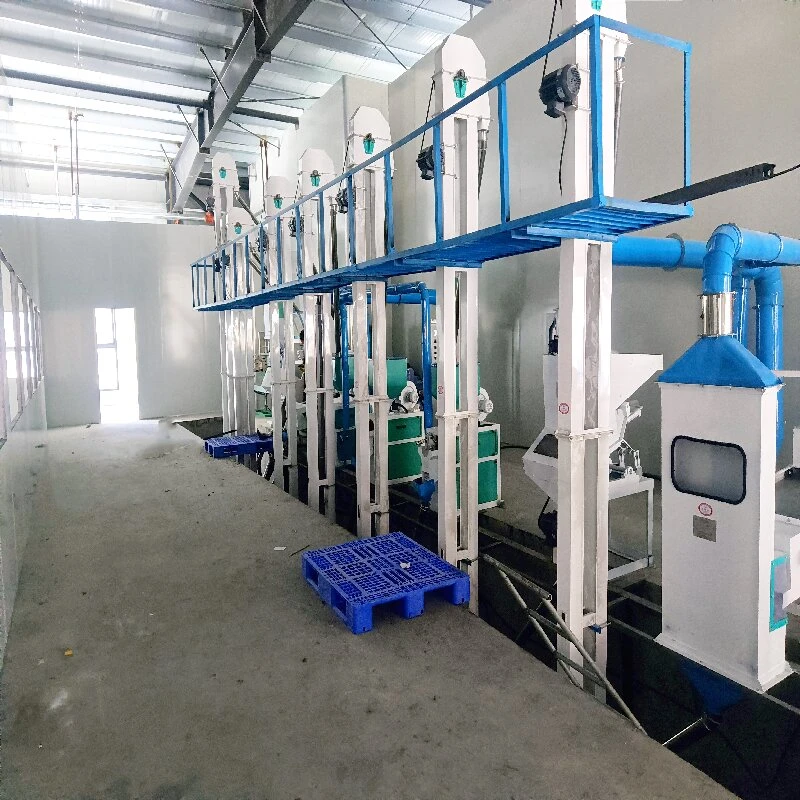
Monthly maintenance should involve more in - depth checks, such as adjusting the alignment of the rollers and inspecting the electrical system. Any loose connections or damaged wires in the electrical system can pose a safety hazard and may also cause the machine to malfunction.
3. Operator Training
Well - trained operators are essential for ensuring the stability of a combined rice mill. We provide comprehensive training programs for our customers' operators. These programs cover everything from basic machine operation to advanced troubleshooting techniques.
During the training, operators learn how to load the rice into the machine correctly, adjust the processing parameters according to the type of rice being processed, and identify and address common problems. For example, they are taught how to recognize the signs of a clogged chute or a misaligned roller and how to take the appropriate steps to fix these issues.
In addition to theoretical training, we also offer hands - on practical training. This allows operators to gain real - world experience in operating and maintaining the combined rice mill. By having well - trained operators, our customers can minimize the risk of operator - induced errors, which can lead to instability and reduced machine lifespan.
4. Environmental Considerations
The environment in which the combined rice mill operates can also have a significant impact on its stability. The mill should be installed in a clean, dry, and well - ventilated area. Dust and moisture can cause corrosion and damage to the machine's components, especially the electrical parts.
Temperature and humidity levels also need to be controlled. Extreme temperatures can affect the performance of the machine's motors and other components. For example, high temperatures can cause the lubricants to break down more quickly, while low temperatures can make the belts and chains more brittle.
In addition, the mill should be installed on a stable foundation. Uneven or weak foundations can cause the machine to vibrate excessively during operation, which can lead to premature wear and tear of the components and may even cause the machine to become unstable.
5. Use of Advanced Technology
We are constantly investing in research and development to incorporate advanced technology into our Brown Rice Processing Machine and Agro Mill Machinery. One of the technologies we use is real - time monitoring systems. These systems can collect data on various aspects of the machine's operation, such as temperature, vibration, and power consumption.
By analyzing this data, we can detect potential problems before they become serious. For example, if the vibration levels of the machine increase suddenly, it may indicate a problem with the alignment of the rollers or a loose component. The real - time monitoring system can send an alert to the operator, allowing them to take immediate action to prevent further damage.
Another advanced technology we use is automation. Automated systems can control the various processes of the combined rice mill more precisely, reducing the risk of human error. For example, automated feeding systems can ensure a consistent flow of rice into the machine, which helps to maintain stable operation.
6. Spare Parts Availability
Having a ready supply of spare parts is crucial for ensuring the stability of a combined rice mill. In the event of a component failure, quick replacement of the faulty part can minimize downtime. We maintain a large inventory of spare parts for all our combined rice mills. This includes commonly used parts such as belts, chains, rollers, and screens, as well as more specialized components.
We also have a fast - delivery service for our spare parts. This means that our customers can get the parts they need as quickly as possible, reducing the time their machine is out of operation.
Conclusion
Ensuring the stability of a combined rice mill during operation requires a comprehensive approach. From using high - quality components and design to regular maintenance, operator training, environmental considerations, advanced technology, and spare parts availability, every aspect plays a crucial role.
As a supplier, we are committed to providing our customers with the best - in - class combined rice mills and the support they need to keep these machines running smoothly. If you are interested in our products or have any questions about ensuring the stability of your combined rice mill, we encourage you to contact us for further discussion and potential procurement.
References
- Smith, J. (2018). Rice Milling Technology: Principles and Practices. Publisher Name.
- Brown, A. (2019). Maintenance and Troubleshooting of Agricultural Machinery. Academic Press.