

As a supplier of large rice mills, I understand the critical issue of corrosion in these facilities. Corrosion can significantly reduce the lifespan of equipment, lead to costly repairs, and even affect the quality of the rice produced. In this blog, I will share some effective strategies to prevent corrosion in a large rice mill.
Understanding the Causes of Corrosion in Rice Mills
Before we delve into prevention methods, it's essential to understand the factors that contribute to corrosion in a rice mill environment. The primary culprits include:

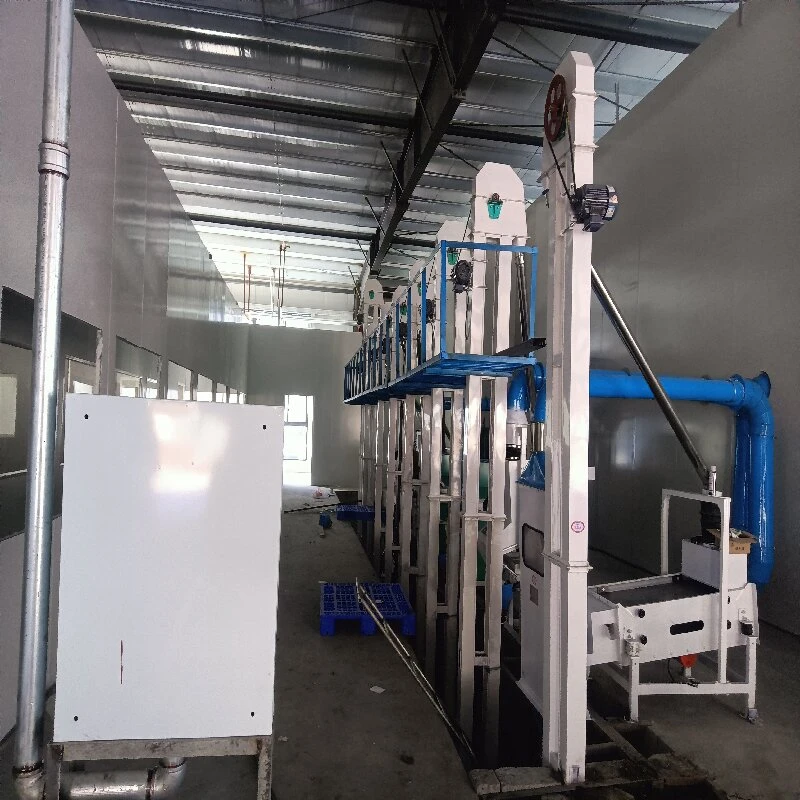
- Moisture: Rice processing involves the use of water at various stages, such as cleaning and soaking. The presence of moisture in the air and on equipment surfaces creates an ideal environment for corrosion to occur.
- Chemicals: Some rice mills use chemicals for cleaning, disinfection, and pest control. These chemicals can react with metal surfaces and accelerate the corrosion process.
- Abrasion: The constant movement of rice grains and equipment parts can cause abrasion, which removes the protective coating on metal surfaces and exposes them to corrosion.
- Temperature and Humidity: Fluctuations in temperature and humidity can also contribute to corrosion. High humidity levels combined with elevated temperatures can increase the rate of corrosion.
Preventive Measures
1. Material Selection
- Stainless Steel: When designing and constructing a large rice mill, choose high - quality stainless steel for equipment and structural components. Stainless steel contains chromium, which forms a passive oxide layer on the surface, protecting it from corrosion. For example, using stainless steel for rice hoppers, conveyors, and processing chambers can significantly reduce the risk of corrosion.
- Coated Metals: Another option is to use coated metals. Galvanized steel, which is coated with a layer of zinc, provides excellent corrosion resistance. The zinc coating acts as a sacrificial anode, corroding before the underlying steel.
2. Proper Ventilation
- Moisture Removal: Install an effective ventilation system in the rice mill to remove moisture from the air. Good ventilation helps to maintain a dry environment, reducing the likelihood of corrosion. For instance, exhaust fans can be installed near areas where water is used, such as the cleaning and soaking stations, to remove humid air.
- Air Circulation: Ensure proper air circulation throughout the mill. This can prevent the accumulation of stagnant air, which can lead to localized high - humidity areas. Ceiling fans or duct systems can be used to promote air movement.
3. Regular Cleaning and Maintenance
- Cleaning Procedures: Develop a regular cleaning schedule for all equipment and surfaces in the rice mill. Use mild detergents and non - abrasive cleaners to remove dirt, rice residues, and chemical deposits. Avoid using harsh chemicals that can damage the protective coatings on metal surfaces.
- Inspection and Repair: Conduct routine inspections of the equipment to detect any signs of corrosion early. Look for rust spots, pitting, or discoloration on metal surfaces. If corrosion is detected, take immediate action to repair it. This may involve sanding, repainting, or replacing damaged parts.
4. Corrosion Inhibitors
- Chemical Inhibitors: Apply corrosion inhibitors to metal surfaces. These chemicals form a protective film on the metal, preventing the access of oxygen and moisture. There are different types of corrosion inhibitors available, such as organic and inorganic inhibitors. The choice of inhibitor depends on the type of metal and the environmental conditions in the rice mill.
- Vapor - Phase Inhibitors (VPIs): VPIs can be used in enclosed spaces, such as storage containers or equipment cabinets. These inhibitors release vapor that forms a protective layer on metal surfaces, even in hard - to - reach areas.
5. Controlling Chemical Exposure
- Proper Chemical Use: If chemicals are used in the rice mill, ensure that they are used in the correct concentrations and under appropriate conditions. Follow the manufacturer's instructions for handling and storing chemicals to prevent accidental spills and over - exposure.
- Neutralization: After using chemicals for cleaning or disinfection, rinse the equipment thoroughly to remove any chemical residues. This can prevent the chemical residues from reacting with metal surfaces and causing corrosion.
Equipment - Specific Considerations
1. Rice Polishing Machines
- Lubrication: Rice polishing machines have moving parts that are prone to abrasion and corrosion. Use high - quality lubricants to reduce friction and protect the metal surfaces. The lubricant should also have anti - corrosion properties to prevent rusting.
- Sealing: Ensure that the rice polishing machines are properly sealed to prevent the ingress of moisture and dust. Seals and gaskets should be regularly inspected and replaced if they are worn or damaged.
2. Conveyor Systems
- Belt Maintenance: For conveyor belts, clean them regularly to remove rice particles and debris. Check the tension of the belts and ensure that they are properly aligned. Misaligned belts can cause abrasion and increase the risk of corrosion.
- Frame Protection: The frames of conveyor systems should be made of corrosion - resistant materials or coated to protect them from the environment. Regularly inspect the frames for any signs of corrosion and repair them promptly.
The Role of Our Products in Corrosion Prevention
As a supplier of large rice mills, we offer a range of products designed with corrosion prevention in mind. Our 300 Tons Combined Rice Mill, 100 Tons Combined Rice Mill, and 200 Tons Combined Rice Mill are constructed using high - quality stainless steel and other corrosion - resistant materials. We also provide detailed maintenance guidelines to help our customers keep their rice mills in optimal condition.
Conclusion
Preventing corrosion in a large rice mill is a multi - faceted approach that involves proper material selection, ventilation, cleaning, and maintenance. By implementing these strategies, rice mill operators can extend the lifespan of their equipment, reduce repair costs, and ensure the quality of the rice produced. As a supplier, we are committed to providing high - quality rice mill products and supporting our customers in their efforts to prevent corrosion.
If you are interested in purchasing a large rice mill or need more information on corrosion prevention, please feel free to contact us for procurement discussions. We are here to help you make the best decisions for your rice processing business.
References
- Jones, D. A. (1992). Principles and Prevention of Corrosion. Prentice Hall.
- Uhlig, H. H., & Revie, R. W. (1985). Corrosion and Corrosion Control: An Introduction to Corrosion Science and Engineering. Wiley.
- Fontana, M. G. (1986). Corrosion Engineering. McGraw - Hill.