

Transporting an electric rice mill is a crucial process that requires careful planning and execution. As a supplier of electric rice mills, I understand the importance of ensuring that these valuable machines reach their destination in perfect condition. In this blog post, I will share some insights and best practices on how to transport an electric rice mill effectively.
Understanding the Electric Rice Mill
Before you start the transportation process, it's essential to have a good understanding of the electric rice mill you're shipping. Electric rice mills come in various sizes, weights, and designs, each with its own unique features and requirements. Some are small and portable, suitable for home use, while others are large and heavy, designed for commercial or industrial applications.
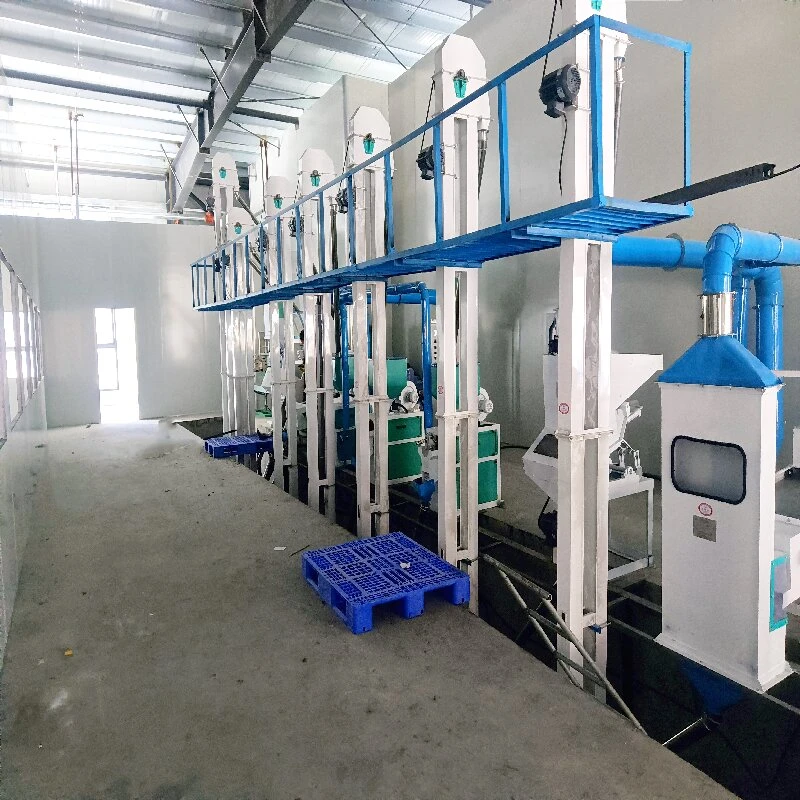

For example, our Brown Rice Processing Machine is a high - capacity machine that is built for large - scale rice processing. It is heavier and more complex than our Rice Milling Machine For Home, which is more compact and user - friendly for domestic settings. Our Agritech Rice Mill Machinery is also engineered with advanced technology and needs special care during transportation.
Pre - Transport Preparation
Inspection
The first step in transporting an electric rice mill is to conduct a thorough inspection of the machine. Check for any loose parts, damaged components, or signs of wear and tear. Make sure all electrical connections are secure and that the machine is in proper working condition. This inspection will not only help you identify any potential issues before shipping but also provide you with a baseline for comparison in case of any damage during transit.
Cleaning
Clean the electric rice mill thoroughly before packing. Remove any rice residues, dust, or debris from the machine. This will prevent the accumulation of dirt during transportation, which could potentially cause damage to the internal components. Use a soft brush and a mild cleaning solution to clean the exterior and interior of the machine.
Disassembly (if necessary)
For larger and more complex electric rice mills, it may be necessary to disassemble certain parts for easier transportation. However, this should be done with caution. Keep track of all the disassembled parts and label them properly. Make sure you have the necessary tools and instructions to reassemble the machine at the destination.
Packing
Proper packing is crucial to protect the electric rice mill during transportation. Use high - quality packing materials such as sturdy cardboard boxes, foam inserts, and bubble wrap. Place the machine in the box and surround it with foam inserts to provide cushioning. Wrap any delicate parts with bubble wrap to prevent them from getting damaged. Seal the box securely with packing tape.
Choosing the Right Transportation Method
Road Transport
Road transport is a common choice for transporting electric rice mills, especially for local or regional deliveries. It offers flexibility in terms of pick - up and delivery locations. When choosing a road transport service, make sure to select a reliable carrier with experience in transporting heavy and fragile equipment. Ensure that the truck is equipped with proper suspension and securing mechanisms to prevent the machine from shifting during transit.
Sea Transport
For international shipments, sea transport is often a cost - effective option. However, it also requires careful planning. The electric rice mill should be packed in a shipping container to protect it from the harsh marine environment. Make sure the container is properly sealed and that the machine is secured inside to prevent movement during the voyage.
Air Transport
Air transport is the fastest option but can be more expensive. It is suitable for urgent deliveries or when the destination is far away. When using air transport, the packing requirements are even more stringent. The machine must meet the airline's safety and size regulations.
Documentation
Bill of Lading
A bill of lading is a legal document that serves as a contract between the shipper and the carrier. It includes details such as the description of the goods, the quantity, the origin, and the destination. Make sure all the information on the bill of lading is accurate and up - to - date.
Insurance
Purchase insurance for the electric rice mill during transportation. This will provide financial protection in case of any damage, loss, or theft during transit. Read the insurance policy carefully to understand the coverage and any exclusions.
Monitoring the Shipment
Once the electric rice mill is on its way, it's important to monitor the shipment. Most carriers offer tracking services that allow you to keep an eye on the location and status of the shipment. If possible, set up alerts so that you are notified of any significant events during the transit.
Unpacking and Reassembly at the Destination
Unpacking
At the destination, unpack the electric rice mill carefully. Check for any signs of damage during the unpacking process. If you notice any damage, document it immediately and contact the carrier and the insurance company.
Reassembly
If the machine was disassembled before transportation, reassemble it according to the instructions. Make sure all the parts are properly installed and that the electrical connections are secure.
Testing
After reassembly, test the electric rice mill to ensure that it is working properly. Run a few test cycles to check for any abnormal noises, vibrations, or malfunctions.
Conclusion
Transporting an electric rice mill is a multi - step process that requires attention to detail and careful planning. By following the steps outlined in this blog post, you can ensure that your electric rice mill reaches its destination safely and in perfect working condition.
If you are interested in purchasing our high - quality electric rice mills or have any questions about transportation, please feel free to contact us for procurement negotiations. We are committed to providing you with the best products and services.
References
- General knowledge and experience in the rice mill industry.
- Industry best practices for equipment transportation.