

The weight of a combined rice mill is a crucial factor that impacts various aspects of its usage, from transportation and installation to its overall stability and performance. As a supplier of combined rice mills, I've encountered numerous inquiries regarding this topic. In this blog, I'll delve into the elements affecting the weight of a combined rice mill, its significance, and how it varies across different models.
Factors Influencing the Weight of a Combined Rice Mill
1. Size and Capacity
One of the most significant determinants of a combined rice mill's weight is its size and processing capacity. Larger mills designed to handle a higher volume of rice per hour generally weigh more. These mills are equipped with larger hoppers, more extensive processing chambers, and more powerful motors, all of which contribute to increased weight. For instance, a small - scale combined rice mill with a capacity of 100 - 200 kilograms per hour might weigh around 200 - 300 kilograms. In contrast, a large - scale industrial combined rice mill with a capacity of 1000 kilograms or more per hour can weigh upwards of 1000 kilograms.
2. Construction Materials
The materials used in the construction of the combined rice mill also play a vital role in its weight. Mills made from high - quality, heavy - duty metals such as stainless steel or cast iron tend to be heavier than those made from lighter materials like aluminum or plastic. Stainless steel is a popular choice for many parts of the rice mill, especially the processing chambers and the hulling components, due to its durability and resistance to corrosion. However, its density makes it heavier. Cast iron, on the other hand, is often used for the base and some of the more robust mechanical parts, adding significant weight to the overall structure.
3. Additional Features and Components
Modern combined rice mills come with a variety of additional features and components that can increase their weight. For example, some mills are equipped with advanced cleaning systems, such as air suction devices or sieving mechanisms, to remove impurities from the rice before processing. These additional components add extra weight. Similarly, mills with built - in polishing units or multi - stage processing capabilities will be heavier than basic models. The presence of automation features, such as electronic control panels and sensors, also contributes to the overall weight of the machine.
Significance of the Weight of a Combined Rice Mill
1. Transportation
The weight of a combined rice mill is a critical consideration during transportation. Heavier mills require more robust transportation methods and may incur higher shipping costs. For international shipments, the weight can also affect the choice of shipping container and the overall logistics planning. Additionally, the weight may limit the accessibility of the mill to certain locations, especially in areas with poor road infrastructure or limited lifting equipment.
2. Installation
During installation, the weight of the combined rice mill determines the type of foundation required. A heavier mill needs a more stable and solid foundation to ensure its proper operation and prevent vibrations that could damage the machine or affect its performance. In some cases, special installation equipment, such as cranes or forklifts, may be necessary to move and position the mill correctly.
3. Stability and Performance
The weight of the rice mill can also impact its stability and performance. A heavier mill is generally more stable during operation, reducing the risk of movement or vibration that could lead to uneven processing or damage to the machine. The additional weight can also contribute to better grinding and hulling performance, as it provides more inertia and pressure during the processing of the rice.
Weight Variations Among Different Models
1. Brown Rice Processing Machine
The Brown Rice Processing Machine is designed specifically for processing brown rice. These machines typically have a moderate weight, depending on their size and capacity. Smaller models may weigh around 300 - 500 kilograms, while larger industrial - grade machines can weigh over 800 kilograms. The weight is influenced by the complexity of the processing steps involved in converting brown rice into white rice, such as husking, polishing, and grading.
2. 4 in 1 Rice Milling Machine
The 4 in 1 Rice Milling Machine combines four functions: cleaning, hulling, whitening, and polishing, all in one unit. Due to its multi - functionality, this type of machine is generally heavier than single - function rice mills. Smaller 4 in 1 models may weigh around 400 - 600 kilograms, while larger ones can reach up to 1200 kilograms or more. The additional components and the need for a more robust structure to support the multiple functions contribute to the increased weight.
3. Electric Rice Mill
The Electric Rice Mill is powered by electricity and comes in a wide range of sizes and weights. Small domestic electric rice mills, suitable for home use, may weigh as little as 50 - 100 kilograms. These are lightweight and easy to move around. Industrial - scale electric rice mills, however, can weigh several hundred kilograms, depending on their capacity and the number of processing stages they offer.
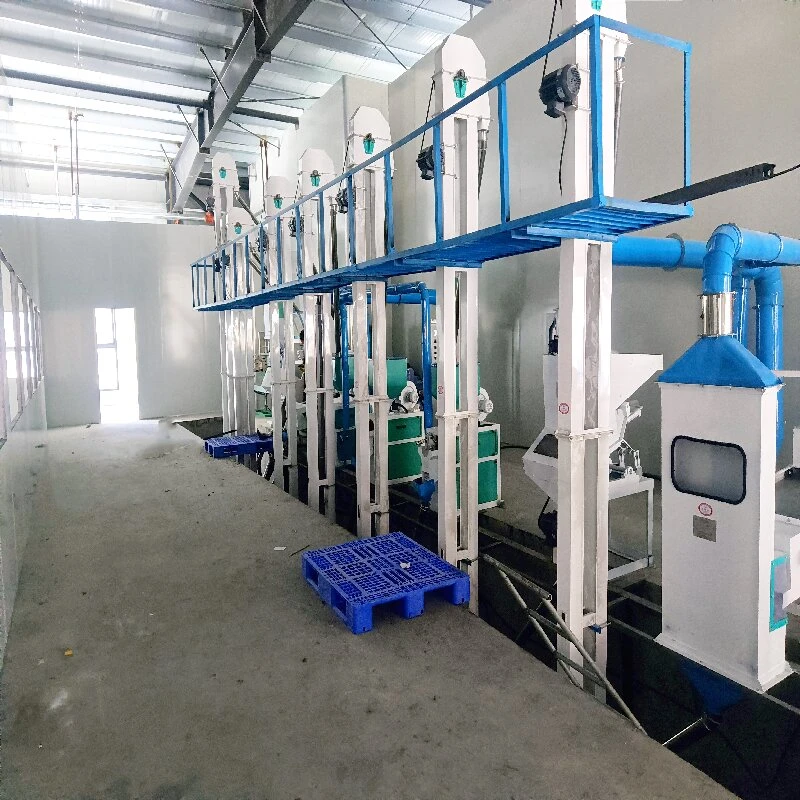

Conclusion
In conclusion, the weight of a combined rice mill is influenced by multiple factors, including size, construction materials, and additional features. Understanding the weight of a rice mill is essential for transportation, installation, and ensuring optimal performance. As a supplier, we offer a diverse range of combined rice mills with different weights to meet the varying needs of our customers. Whether you are a small - scale farmer looking for a lightweight and portable mill or a large - scale rice processing plant in need of a heavy - duty industrial machine, we have the right solution for you.
If you are interested in purchasing a combined rice mill and would like to discuss your specific requirements, we encourage you to contact us for a detailed consultation. Our team of experts is ready to assist you in selecting the most suitable rice mill based on your needs and budget.
References
- "Rice Milling Technology" by the Food and Agriculture Organization of the United Nations
- Industry reports on rice mill manufacturing and technology advancements