

Do medium rice mills require special installation conditions?
As a supplier of medium rice mills, I often encounter inquiries from customers regarding the installation conditions for these machines. The question of whether medium rice mills require special installation conditions is a crucial one, as it can significantly impact the efficiency, longevity, and overall performance of the equipment. In this blog post, I will delve into this topic, exploring the various factors that need to be considered when installing a medium rice mill.
Understanding Medium Rice Mills
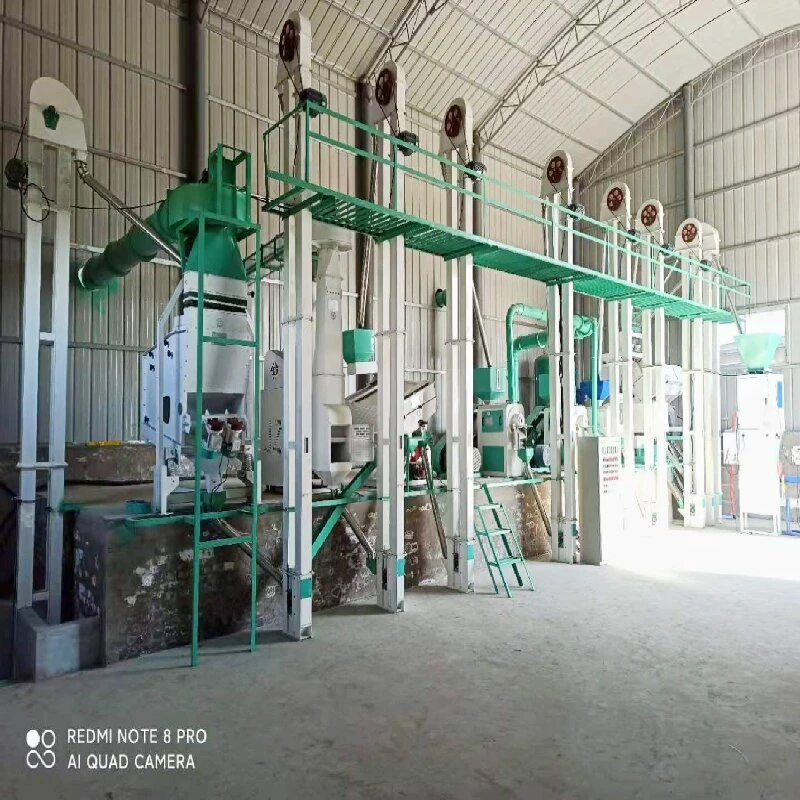
Before discussing the installation conditions, it's essential to have a clear understanding of what medium rice mills are. Medium rice mills typically have a processing capacity ranging from 10 to 100 tons per day. They are designed to handle a moderate volume of paddy rice, making them suitable for small to medium - scale rice processing businesses. These mills usually consist of several components, including a paddy cleaner, a dehusker, a rice polisher, and a separator.
Location and Space Requirements
One of the primary considerations when installing a medium rice mill is the location and space requirements. The mill should be installed in a well - ventilated area to prevent the accumulation of dust and heat. Rice milling generates a significant amount of dust, which can be hazardous to both the equipment and the operators if not properly ventilated. A well - ventilated space also helps in maintaining a stable operating temperature for the machinery, reducing the risk of overheating.
In terms of space, a medium rice mill requires a sufficient area to accommodate all the components and allow for easy movement of workers and materials. For example, a 20 Tons Combined Rice Mill may need an area of approximately 50 - 80 square meters, depending on the specific design and layout. A 50 Tons Combined Rice Mill would require a larger space, perhaps 100 - 150 square meters. The space should be free from obstructions and have enough clearance around the equipment for maintenance and repair work.
Foundation and Structural Support
Medium rice mills are heavy pieces of equipment, and they need a solid foundation to ensure stability during operation. The foundation should be able to withstand the weight of the mill and the vibrations generated during the milling process. A concrete foundation is often recommended, as it provides a stable base and helps in reducing the transmission of vibrations to the surrounding area.
The thickness and strength of the concrete foundation depend on the size and weight of the rice mill. For smaller medium - sized mills, a foundation with a thickness of 15 - 20 centimeters may be sufficient, while larger mills may require a foundation of 25 - 30 centimeters or more. It's also important to ensure that the foundation is level, as an uneven foundation can cause misalignment of the equipment, leading to premature wear and tear and reduced performance.
Electrical and Power Requirements
Another critical aspect of installing a medium rice mill is the electrical and power requirements. These mills are powered by electricity, and they need a stable and reliable power supply. The power consumption of a medium rice mill varies depending on its processing capacity and the number of components. A 20 - ton - per - day rice mill may require a power supply of around 30 - 50 kilowatts, while a 50 - ton - per - day mill may need 60 - 100 kilowatts or more.
It's essential to have a dedicated electrical circuit for the rice mill to avoid power fluctuations and ensure that the equipment operates safely. The electrical system should be installed by a qualified electrician, and all electrical connections should be properly insulated and grounded to prevent electrical hazards. Additionally, it's advisable to have a backup power source, such as a generator, in case of power outages, as unexpected power interruptions can damage the equipment and disrupt the milling process.
Water Supply and Drainage
Water is used in the rice milling process for various purposes, such as cleaning the paddy rice and cooling the equipment. Therefore, a reliable water supply is necessary for the proper operation of a medium rice mill. The water should be clean and free from impurities to prevent clogging of the equipment and ensure the quality of the processed rice.
The water supply system should be designed to provide an adequate flow rate and pressure. The amount of water required depends on the specific design and operation of the rice mill. After use, the water needs to be properly drained to avoid waterlogging in the mill area. A well - designed drainage system should be installed to carry the wastewater away from the mill.
Accessibility and Transportation
The location of the medium rice mill should also be easily accessible for the transportation of raw materials (paddy rice) and finished products (milled rice). Good road connectivity is essential, as it allows for the efficient movement of trucks and other vehicles. The mill should be located close to a main road or a transportation hub to reduce transportation costs and time.
In addition, there should be sufficient space for loading and unloading operations. A loading dock or a platform can be built to facilitate the transfer of rice between the vehicles and the mill. This ensures that the rice can be handled safely and efficiently, minimizing the risk of damage to the products.
Environmental Considerations
When installing a medium rice mill, environmental considerations cannot be overlooked. As mentioned earlier, rice milling generates a significant amount of dust, which can have a negative impact on the environment and the health of nearby residents. Therefore, dust control measures should be implemented, such as installing dust collectors and filters.
Noise is another environmental concern associated with rice milling. The machinery can produce high - level noise during operation. To reduce noise pollution, sound - absorbing materials can be used in the construction of the mill building, and the equipment can be properly maintained to minimize noise generation.
Installation and Commissioning
Once all the installation conditions are met, the actual installation and commissioning of the medium rice mill can take place. It's recommended to have the installation carried out by the manufacturer's technicians or experienced installers. They have the expertise and knowledge to ensure that the equipment is installed correctly and aligned properly.
During the commissioning process, the rice mill is tested to ensure that it operates smoothly and meets the specified performance standards. Any adjustments or fine - tuning are made during this stage to optimize the operation of the equipment. After successful commissioning, the operators should be trained on how to operate and maintain the rice mill properly.
Conclusion
In conclusion, medium rice mills do require special installation conditions to ensure their proper operation, efficiency, and longevity. Factors such as location, space, foundation, electrical and power supply, water supply and drainage, accessibility, and environmental considerations all play a crucial role in the installation process.

As a supplier of medium rice mills, I am committed to providing our customers with comprehensive support, including guidance on the installation conditions and assistance with the installation and commissioning process. If you are considering purchasing a medium rice mill for your business, I encourage you to contact us for more information and to discuss your specific requirements. Our team of experts will be happy to help you make the right choice and ensure a successful installation.
References
- "Rice Milling Technology" - A comprehensive guide on the principles and practices of rice milling, which provides detailed information on the installation and operation of rice mills.
- Industry standards and regulations related to the installation and operation of food processing equipment, which ensure the safety and quality of the rice milling process.