

Hey there! As a supplier of medium rice mills, I often get asked about the capacity of these machines. It's a crucial question, especially for those in the rice business. So, let's dive right in and explore what the capacity of a medium rice mill actually means.
Understanding the Basics of Rice Mill Capacity
First off, when we talk about the capacity of a rice mill, we're referring to how much rice it can process within a specific period, usually measured in tons per day. The capacity can vary widely depending on the type and size of the mill. A medium - sized rice mill is designed to strike a balance between small - scale operations and large - scale industrial production.
For small farmers or local businesses, a small - scale rice mill might be sufficient, with a capacity of just a few tons per day. On the other hand, large industrial mills can process hundreds of tons daily. Medium rice mills are great for medium - sized farms, local rice merchants, or small - to - medium - sized food processing companies. They offer a good combination of efficiency and affordability.
Factors Affecting the Capacity of a Medium Rice Mill
There are several factors that can influence the capacity of a medium rice mill. One of the most important is the quality of the raw materials. If the paddy rice has a high moisture content or a lot of impurities, it will take longer to process. The mill has to spend more time removing the husk, polishing the rice, and getting rid of any foreign particles. This can significantly reduce the overall capacity.
The type of technology used in the mill also plays a huge role. Modern medium rice mills are equipped with advanced machinery that can process rice more quickly and efficiently. For example, some mills use high - speed separators to separate the husk from the rice grains, which can increase the processing speed. Older or less advanced mills might have slower processing times, thus reducing the capacity.
The configuration of the mill is another factor. A well - designed medium rice mill with a proper flow of materials can process rice more smoothly. If the layout is inefficient, there can be bottlenecks in the processing line, which will slow down the entire operation.
Common Capacities of Medium Rice Mills
In the market, medium rice mills typically have capacities ranging from 10 to 100 tons per day. Let's take a closer look at some of the more common capacities:
20 Tons per Day
A 20 Tons Combined Rice Mill is a popular choice for many medium - sized operations. It's suitable for local rice farmers who want to process their own harvest or small - scale rice merchants. This capacity allows them to handle a decent amount of rice each day without investing in a large and expensive mill. It's also a good option for those who are just starting out in the rice processing business and want to test the waters.
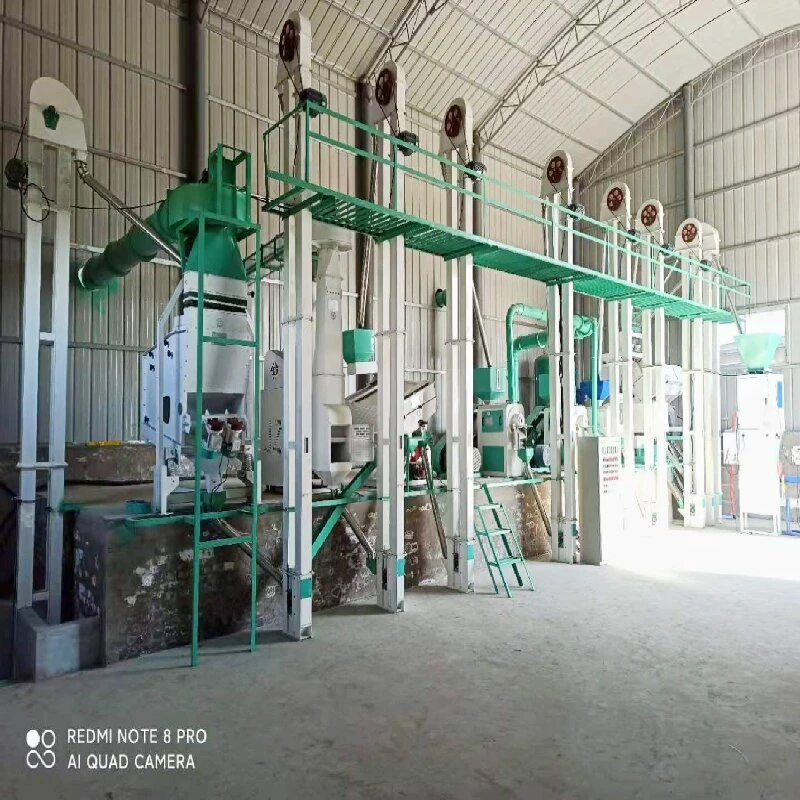
50 Tons per Day
The 50 Tons Combined Rice Mill is a step up in terms of capacity. It's ideal for medium - sized rice processing plants or food companies that need to supply a larger market. With this capacity, they can meet the demands of local grocery stores, restaurants, and even some regional distributors. It offers a good balance between processing power and cost - effectiveness.
Benefits of Choosing a Medium Rice Mill
One of the main benefits of a medium rice mill is its flexibility. It can be easily adjusted to process different types of rice, such as long - grain, short - grain, or basmati rice. This is great for businesses that deal with a variety of rice products.
Another advantage is the cost. Medium rice mills are generally more affordable than large industrial mills. They require less initial investment in terms of machinery and infrastructure. At the same time, they still offer a high level of efficiency and productivity.
Medium rice mills are also easier to maintain. They have a simpler structure compared to large mills, which means that maintenance and repair work can be done more quickly and at a lower cost. This helps to keep the overall operating costs down.
Making the Right Choice
When choosing a medium rice mill, it's important to consider your specific needs. Think about the amount of rice you need to process on a daily basis. If you're a small - scale farmer, a 20 - ton capacity mill might be sufficient. But if you're looking to expand your business and supply a larger market, a 50 - ton or even higher - capacity mill could be a better choice.
You also need to consider the quality of the mill. Look for a mill that is made of high - quality materials and has a good reputation in the market. Check for features such as easy operation, low energy consumption, and high processing efficiency.

Contact for Purchase and Negotiation
If you're interested in purchasing a medium rice mill, I'd be more than happy to help. Whether you're looking for a 20 Tons Combined Rice Mill or a 50 Tons Combined Rice Mill, we have a range of options to suit your needs. Don't hesitate to reach out to start a negotiation and find the perfect rice mill for your business.
References
- "Rice Processing Technology" - A comprehensive guide on rice milling processes and equipment.
- Industry reports on the rice processing sector, which provide data on the capacities and performance of different types of rice mills.