

Introduction
The global rice machinery market is undergoing a significant transformation, driven by urbanization, technological advancements, and shifting consumer preferences. One notable trend is the rising demand for compact rice processing units tailored for urban micro-mills. These smaller, efficient machines cater to localized rice production, reducing logistics costs and meeting the demand for fresh, high-quality rice in cities.
Factors Driving Demand for Compact Rice Machinery
1. Urbanization and Space Constraints
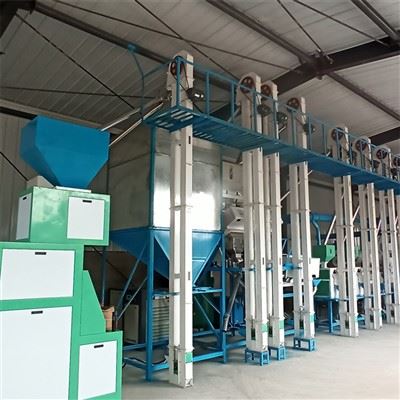
With rapid urbanization, available land for large-scale rice mills is shrinking. Compact rice processing units offer a viable solution, enabling small-scale entrepreneurs to operate in limited spaces. These machines are designed for vertical integration, fitting into smaller urban facilities while maintaining high efficiency.
2. Consumer Preference for Fresh and Locally Processed Rice
Urban consumers increasingly prioritize freshness and traceability in food products. Micro-mills allow for on-demand rice processing, ensuring minimal storage time and higher nutritional retention. Compact machinery facilitates localized production, reducing dependency on long supply chains.
3. Cost Efficiency and Energy Savings
Traditional rice mills require substantial capital and operational expenses. In contrast, compact units consume less energy, have lower maintenance costs, and offer quicker ROI for small businesses. Innovations like automated sorting and IoT-enabled monitoring further enhance their appeal.
4. Government Support for Agro-Processing SMEs
Many governments are promoting small and medium enterprises (SMEs) in agro-processing through subsidies and low-interest loans. This support encourages urban entrepreneurs to invest in compact rice machinery, fostering local economic growth.

Key Players and Technological Innovations
Leading manufacturers such as Satake Corporation, Buhler AG, and Hubei Yongxiang are developing compact, multi-functional rice processing units. Key innovations include:
Modular Designs: Machines that combine cleaning, hulling, polishing, and sorting in a single compact unit.
Smart Automation: AI-driven quality control sensors to minimize human intervention.
Energy-Efficient Models: Solar-powered and low-wattage variants for sustainable urban operations.
Market Challenges
Despite the growth potential, challenges remain:
High Initial Costs: Advanced compact machinery may be expensive for small-scale operators.
Technical Expertise: Urban micro-mills require skilled personnel for maintenance and operation.
Regulatory Hurdles: Compliance with urban zoning and food safety regulations can be complex.
Future Outlook
The market for compact rice machinery is projected to grow at a CAGR of 5-7% over the next five years. Asia-Pacific, particularly India, China, and Southeast Asia, will dominate due to urbanization and rice consumption trends. Africa and Latin America are also emerging as lucrative markets, driven by government initiatives to modernize agriculture.
Conclusion
The shift toward compact rice machinery reflects broader trends in sustainable urban agriculture and localized food production. As technology advances and affordability improves, micro-mills equipped with efficient, space-saving units will play a crucial role in the global rice industry. Businesses that adapt to this demand will gain a competitive edge in the evolving market landscape.